
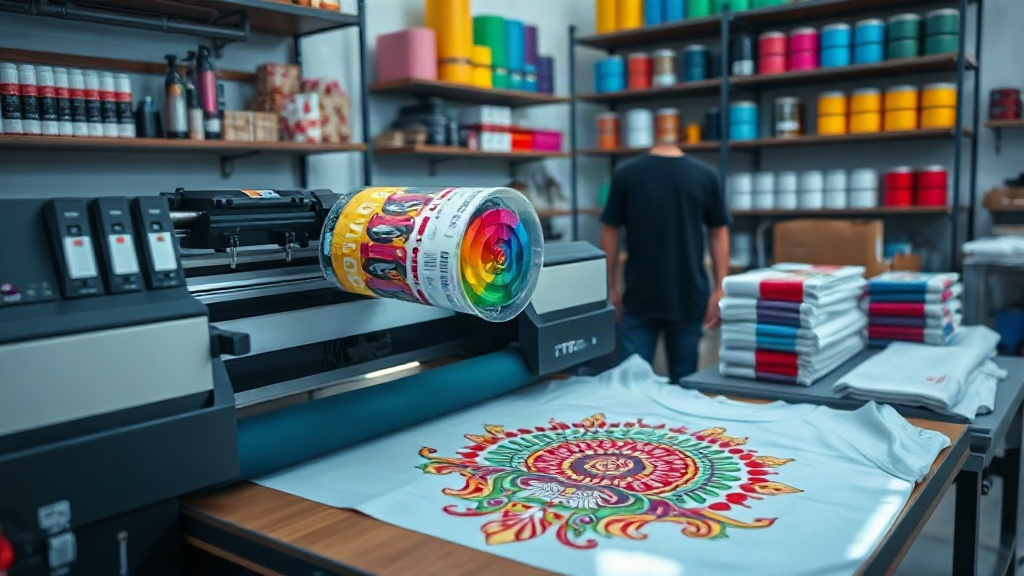
If you've been exploring custom apparel printing, you've likely encountered DTF printing. Short for Direct-to-Film, this method has quickly become a favorite among crafters, small business owners, and hobbyists for its versatility and vibrant results. Unlike traditional techniques that require specific fabrics or extensive setup, DTF printing opens up a world of possibilities for personalizing t-shirts, hoodies, tote bags, and more. In this guide, we'll walk you through everything you need to know to get started with DTF printing, from the basic process to practical tips for achieving professional-quality prints.
What Exactly Is DTF Printing?
DTF printing is a digital printing technology that involves transferring a design onto a special film, then using heat and pressure to adhere it to a garment or other fabric items. The process begins with printing your design onto a PET film using specialized DTF inks. A powder adhesive, often called hot melt powder, is applied to the wet ink, and then the film is cured. Once cured, the design can be stored for later use or immediately applied to a substrate with a heat press. The result is a soft, stretchable, and durable print that bonds well to cotton, polyester, blends, and even some non-fabric materials like leather and canvas.
Why Choose DTF Printing Over Other Methods?
Several factors make DTF printing stand out:
- No Weeding Required: Unlike vinyl cutting, DTF printing eliminates the tedious process of weeding tiny details. You simply print, powder, cure, and press.
- Works on Many Fabrics: While some methods require 100% cotton or specific blends, DTF adheres to a wide range of materials, including polyester, nylon, and treated leather.
- Vibrant, Full-Color Designs: DTF printing supports full-color graphics with gradients, photographs, and fine details without the color limitations of screen printing.
- Durability: When applied correctly, DTF prints withstand repeated washing and stretching without cracking or fading.
- Cost-Effective for Small Runs: Unlike screen printing, which requires separate screens for each color, DTF is economical for short runs and one-off designs.
How Does the DTF Printing Process Work?
Let's break down the steps involved in DTF printing:
- Design Preparation: Create or obtain your artwork. Ensure it's mirrored (flipped horizontally) before printing, as the film will be transferred face-down. Use design software like Adobe Photoshop, Illustrator, or free alternatives like GIMP or Inkscape.
- Printing: Load the PET film into a DTF printer. These printers use specialized pigment inks (often CMYK plus white) to print the design onto the film. The white ink layer is crucial for opacity on dark fabrics.
- Powdering: While the ink is still wet, apply hot melt powder evenly over the printed area. Shake off excess powder. The powder sticks to the wet ink.
- Curing: Place the film in a curing oven or use a heat press to melt the powder. This step is critical; under-curing leads to poor adhesion, while over-curing can cause the film to warp. Follow your powder's recommended temperature and time.
- Transferring: Set your heat press to the recommended temperature (usually around 300-350°F) and pressure. Place the cured film onto the garment, cover with a protective sheet, and press for 10-15 seconds. Peel the film off either hot or cold, depending on the film type.
Essential Supplies for DTF Printing
To get started, you'll need:
- A DTF printer (or access to one; many services print DTF transfers for you).
- DTF inks (CMYK and white).
- PET film (often available in rolls or sheets).
- Hot melt powder (TPU-based).
- A curing oven or heat press with precise temperature control.
- A heat press for application (a clamshell or swing-away press works well).
- Protective sheets (Teflon or parchment paper).
- Design software.
If you're not ready to invest in a printer, you can order custom DTF transfers from online services and apply them yourself with a heat press. This is a great way to test the waters.
Tips for Successful DTF Printing
Choose the Right Film and Powder
Not all DTF films and powders are created equal. Some films are designed for hot peel, others for cold peel. The powder's particle size affects the feel and durability. Experiment with different brands to find what works best for your projects.
Master Your Heat Press Settings
Temperature, pressure, and time are critical. Too little heat or pressure results in poor adhesion; too much can scorch the fabric or cause the print to look glossy. Always test on a scrap piece of fabric first.
Handle Prints with Care
Cured DTF transfers can be stored in a cool, dry place for weeks. Avoid touching the printed area with bare hands, as oils can affect adhesion.
Wash and Care
To prolong the life of your DTF-printed apparel, wash inside out in cold water and tumble dry low. Avoid ironing directly on the print.
Common DTF Printing Challenges and Solutions
Even with the best equipment, you might encounter issues. Here are some common problems and how to fix them:
- Print Cracking: Usually caused by under-curing the powder or insufficient pressure during transfer. Increase curing time or pressure.
- Poor Adhesion: Ensure the garment is clean and free of fabric softeners. Also, check that the powder is fully melted.
- Color Fading: Use high-quality inks and store prints away from direct sunlight.
- Film Sticking: If the film sticks to the garment after pressing, it might be due to incomplete cooling. Wait a few seconds before peeling.
Frequently Asked Questions About DTF Printing
Can I use DTF printing on 100% polyester?
Yes, DTF printing works well on polyester and polyester blends. However, polyester requires lower pressing temperatures to avoid dye migration. Use a low-temperature powder and press at around 280-300°F.
How long do DTF prints last?
With proper application and care, DTF prints can last as long as the garment itself. They resist cracking, peeling, and fading through many wash cycles.
Do I need a special printer for DTF?
You can convert certain inkjet printers to DTF by using DTF inks and a bulk ink system, but dedicated DTF printers are recommended for best results. Alternatively, you can order transfers from a service.
Is DTF printing safe for children's clothing?
Yes, when using non-toxic inks and powders that meet safety standards. Always check the manufacturer's specifications.
What's the difference between DTF and DTG?
DTG (Direct-to-Garment) prints directly onto the fabric, while DTF prints onto a film that is then transferred. DTF works on more fabric types and often produces more vibrant colors on dark garments.
Final Thoughts
DTF printing is a game-changer for anyone looking to create custom apparel with professional results. Its flexibility, durability, and ease of use make it an excellent choice for beginners and seasoned pros alike. Whether you're starting a small business or just want to personalize gifts, mastering DTF printing can open up a world of creative opportunities. Remember to practice, experiment with settings, and source quality supplies. With a bit of patience, you'll be producing stunning DTF transfers in no time.