
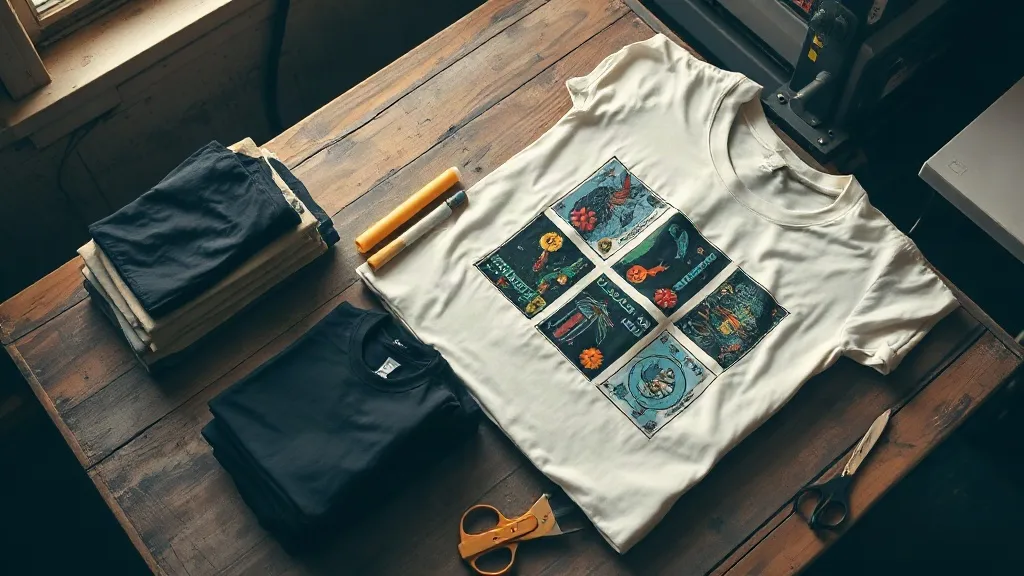
Walk into any print shop that handles streetwear orders and you will eventually hear the same complaint: the transfer looked perfect on day one, then cracked along the shoulder seam three washes later. Nine times out of ten the garment was not the problem and neither was the printer. The mismatch happened somewhere in between, usually in how a dense, heavyweight cotton was handled before the film ever touched it. shaka wear blanks sit right in that category, which is why they are worth a closer look before you commit a full gangsheet to them.
This guide is for the person running the press, not the person writing the marketing copy. Below you will find how these garments behave under heat, where DTF shines on them, where it fights back, and the small workflow adjustments that separate a shirt that survives fifty washes from one that peels in the first week.
Why Heavyweight Blanks Change the DTF Equation
Direct-to-film transfers are forgiving in a lot of ways. They bond to cotton, poly blends, canvas, even some nylons, and they do not require the garment to be pre-treated the way DTG does. That flexibility makes people careless. A 6.5 oz ringspun tee and a 7.5 oz heavy cotton tee are not the same substrate, and the difference shows up in the bond.
Shaka Wear garments lean heavy. The brand built its reputation on boxy fits, dense cotton, and a hand feel that reads more premium than the price tag suggests. That density is exactly what makes them popular with streetwear labels and exactly what makes them fussy under a heat press.
Fabric weight and heat absorption
A thicker knit absorbs and holds heat differently than a lightweight one. When you press a transfer onto a heavy cotton tee, the fabric surface reaches temperature more slowly, and the adhesive layer needs a moment longer to fully activate. Press too briefly and the film releases clean but the bond is shallow. It will look fine on the rack and fail in the wash.
Surface texture and adhesive contact
Heavyweight cotton often has a more pronounced knit structure. That texture is great for drape and terrible for contact. If the powder adhesive cannot flow into the valleys of the fabric, you get partial bonding, which is the technical term for a print that lifts at the edges after a few cycles. A firm, even press with the right pressure closes that gap.
Preparing Shaka Wear Garments Before the First Press
Most DTF failures that get blamed on the film actually start before printing. Here is the sequence that works reliably on dense cotton blanks.
- Pre-press the garment. Ten to fifteen seconds at press temperature with no transfer loaded. This drives out ambient moisture, which is the single biggest cause of poor adhesion on cotton.
- Let it cool flat. Do not press a damp shirt straight from a humid storage room. Moisture trapped under the film turns to steam and pushes the adhesive away from the fabric.
- Check for sizing and finishes. Some blanks ship with a softener or anti-wrinkle finish. A quick pre-press usually handles it, but if the surface feels slick or waxy, wash and dry the garment first.
That last point matters more than people expect. A garment that has been washed once and dried without fabric softener will almost always hold a transfer better than a factory-fresh one, because the surface fibers have relaxed and any residual finish is gone.
Heat Press Settings That Actually Hold
Manufacturer charts are a starting point, not a guarantee. The numbers below are a working range for heavyweight cotton, and you should treat them as a baseline to tune against your own press.
- Temperature: 300 to 320 degrees Fahrenheit for cotton-heavy garments. Push higher and you risk scorching the fabric and over-curing the adhesive, which makes it brittle.
- Pressure: medium to firm. You want visible compression of the knit, not a crushed seam. If your press has a gauge, aim for the middle of the range and stay consistent.
- Time: 12 to 15 seconds for the transfer, plus a 5 second peel-after-cold pass if the film calls for it.
- Second press: a 5 second repress through a cover sheet after peeling improves the bond and softens the hand feel.
One habit worth building: run a scrap test on the actual garment, not on a spare rag. Different dye lots and different weights within the same brand can shift the sweet spot by ten degrees.
Layout Strategy and the Case for a Gangsheet
If you are producing more than a handful of shirts, the economics of DTF come down to how efficiently you fill film. Wasted film is wasted money, and it also means more trimming, more handling, and more chances to damage a transfer before it reaches the press.
A DTF Gangsheet Builder solves the layout problem by letting you arrange multiple designs on a single sheet to a fixed length. For a shop running mixed orders on Shaka Wear blanks, that usually means grouping by size and placement. Front chest logos for a run of mediums go together, back prints for the same run go on a separate section, and small elements like sleeve hits and neck labels fill the leftover gaps.
Nesting tips that save film
- Rotate irregular designs to fit around each other rather than stacking them in rows.
- Keep a consistent gap of at least a quarter inch between transfers so trimming stays clean.
- Group by color where possible. Dark garments need a white underbase, light ones often do not, and mixing them wastes ink and press time.
- Leave a margin at the sheet edge. Transfers that run to the border are harder to trim and more likely to curl.
Building a gangsheet also forces you to plan placement before you print, which cuts down on the most expensive mistake in the shop: printing a back design at the wrong scale for the size run.
Wash Durability: What to Tell Your Customers
Every print shop eventually fields the same message: my shirt is cracking. Sometimes it is your fault and sometimes it is a washing machine on a hot cycle with a heavy load. You cannot control the second one, but you can set expectations and give clear care instructions that actually reduce failures.
Recommend washing inside out in cold water, drying on low or hanging, and avoiding fabric softener directly on the print. Ironing over a transfer is the fastest way to destroy it, so mention that too. On a properly bonded heavyweight cotton tee, a well-cared-for DTF print will comfortably outlast the garment's shape, which is a reasonable standard to promise.
Running your own wash test
Before you ship a new design, print one sample and put it through five wash and dry cycles. Check the edges for lifting, the surface for cracking, and the color for fading. Five cycles catches almost every adhesion problem, and it takes less time than handling a single complaint.
Common Questions About Printing on Shaka Wear
Does DTF work on Shaka Wear poly blends as well as cotton?
Yes, and in some ways the blends are easier because they press flatter. The tradeoff is heat sensitivity. Lower your temperature to around 285 to 300 degrees Fahrenheit on poly-heavy garments and keep the press time short to avoid shrinkage or shine marks.
Why does my transfer peel at the corners after washing?
Corner peeling almost always points to uneven pressure or insufficient press time at the edges of the design. Check that your press platen is level, use a pressing pad under the garment, and add a second short press through a cover sheet. Moisture in the fabric is the other usual suspect.
Can I print on dark heavyweight blanks without a white underbase?
Only if the design is light enough to read on the garment color. For anything with fine detail or mid-tone colors, a white underbase is necessary for opacity and color accuracy. Skip it and you will get muddy results that look nothing like the file.
How do I keep large back prints from feeling stiff?
Use a thinner film and a lighter powder application, press with firm pressure so the adhesive sinks into the knit, and finish with a short repress through a cover sheet. On a dense cotton tee, the fabric itself carries some of the weight, so a properly bonded print drapes better than a heavy-handed one.
Is it worth building a gangsheet for a small order?
For a run of ten or more pieces, yes. The film savings and reduced trimming time usually outweigh the setup effort. Below that, a standard sheet with a few grouped designs is often the simpler path.