
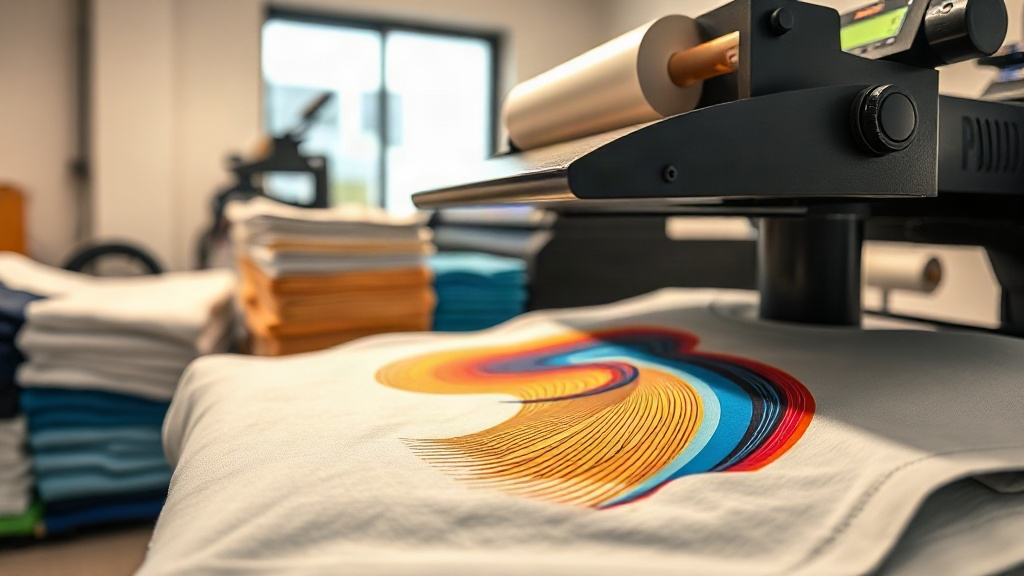
If you've been in the custom apparel game for even a short time, you've likely heard the buzz around DTF transfers. This printing method has exploded in popularity, and for good reason: it offers vivid colors, incredible detail, and works on a wide range of fabrics. But to get the best results, you need to pair the right transfer with the right blank. That's where brands like Shaka Wear and Smart Blanks come into play. In this guide, we'll walk you through everything you need to know about DTF transfers, from the science behind the film to the best blanks for your projects. Whether you're a seasoned pro or just starting out, you'll find actionable tips to elevate your custom apparel game.
What Are DTF Transfers and How Do They Work?
DTF stands for Direct to Film. Unlike DTG (Direct to Garment) or screen printing, DTF involves printing your design onto a special PET film using a DTF printer. The printer lays down a layer of white ink, followed by CMYK colors, and then a layer of adhesive powder is applied. The film is then cured and can be stored for later use. When you're ready to apply, you place the film on your garment and press it with a heat press. The adhesive melts, bonding the ink to the fabric. The result is a soft, stretchable print that can handle intricate details and gradients with ease.
The DTF Printing Process Step by Step
- Design Preparation: Create your artwork in a graphics program, ensuring it's mirrored if necessary (though most DTF printers handle this automatically).
- Printing: Load the PET film into your DTF printer. The printer applies white ink as a base, then CMYK inks to build the colors.
- Powdering: While the ink is still wet, the film passes through a powder shaker that applies hot melt adhesive powder evenly.
- Curing: The film goes through a curing oven or under a heat source to melt the powder, creating a dry, tack-free surface.
- Transfer: Place the film on your garment and press at around 300-320°F for 10-15 seconds with medium pressure.
- Peel: Wait a few seconds for the film to cool, then peel it off. The print remains on the fabric.
Why DTF Transfers Are a Game-Changer for Custom Apparel
DTF transfers offer several advantages over other printing methods. First, they don't require pretreating the garment, which saves time and avoids the mess. Second, they work on almost any fabric, including cotton, polyester, blends, and even nylon. Third, they produce vibrant, high-opacity prints that can include fine lines, small text, and photographic images. Plus, DTF transfers are durable; with proper application and care, they can outlast the garment itself. For small businesses and hobbyists, DTF is a cost-effective way to offer custom apparel without investing in multiple screen setups or DTG pretreating equipment.
DTF vs. Other Printing Methods
- DTG: Best for 100% cotton, but requires pretreatment and can be costly for small runs. DTF works on more fabrics and has lower setup costs.
- Screen Printing: Great for bulk orders with few colors, but expensive for multi-color designs and small batches. DTF excels at detailed, multi-color prints even in small quantities.
- Vinyl: Ideal for simple, single-color designs, but limited in complexity. DTF handles full-color graphics with ease.
Choosing the Right Blanks for DTF Transfers
The quality of your blank garment can make or break your DTF transfer. A good blank should be smooth, tightly woven, and able to withstand the heat press without scorching. Two brands that consistently deliver are Shaka Wear and Smart Blanks. Both are known for their quality and compatibility with DTF printing.
Shaka Wear: Premium Blanks for Vibrant Prints
Shaka Wear has built a reputation for producing high-quality, heavyweight t-shirts and hoodies that are perfect for DTF transfers. Their garments are made from 100% cotton or cotton/poly blends, offering a smooth surface that allows the transfer to adhere evenly. The tight knit of Shaka Wear tees minimizes the chance of the print cracking or peeling. Plus, their consistent sizing and colorfastness make them a favorite among screen printers and DTF enthusiasts alike. If you're looking for a blank that feels premium and holds up wash after wash, Shaka Wear is a solid choice.
Smart Blanks: Affordable and Reliable
For those who need a budget-friendly option without sacrificing quality, Smart Blanks delivers. These blanks are soft, lightweight, and take DTF transfers beautifully. They are ideal for retail-quality apparel at a fraction of the cost. Smart Blanks offers a variety of styles, from crew necks to tank tops, and their fabric is optimized for heat printing. Many users report excellent wash durability and color vibrancy. If you're just starting out or need to keep costs down, Smart Blanks is a smart choice.
How to Apply DTF Transfers to Shaka Wear and Smart Blanks
Applying DTF transfers to Shaka Wear and Smart Blanks garments follows the same general process, but there are a few nuances to keep in mind. Always pre-press the garment for 5-10 seconds to remove moisture and wrinkles. This step is crucial for a smooth application. Set your heat press to 300-320°F (150-160°C) with medium pressure. Place the transfer on the garment and press for 10-15 seconds. For Shaka Wear heavyweight fabrics, you might need a slightly longer press time (up to 20 seconds) to ensure the adhesive fully penetrates. For Smart Blanks, stick to 10-12 seconds to avoid over-pressing, which can cause the fabric to scorch. After pressing, allow the transfer to cool completely before peeling. If you peel while hot, you risk the design lifting or distorting. For a matte finish, peel cold; for a glossy finish, peel hot. Experiment to see what works best for your materials.
Tips for Perfect DTF Transfers on These Blanks
- Pre-press: Always pre-press to remove moisture.
- Pressure: Use medium to firm pressure for even adhesion.
- Temperature: Stay within the recommended range; too hot can scorch, too cool can cause poor adhesion.
- Peel: Cool peel for a matte look, hot peel for glossy.
- Wash Care: Wait 24 hours before washing. Turn garment inside out and wash cold. Tumble dry low or hang dry.
Common Mistakes to Avoid with DTF Transfers
Even seasoned pros can make mistakes. One common error is not pre-pressing the garment, leading to moisture trapped under the transfer, which causes bubbling and poor adhesion. Another is using too much pressure, which can flatten the print and cause it to look dull. Over-pressing can also scorch the fabric, especially on heat-sensitive blends. Always test on a scrap piece of fabric first. Additionally, storing DTF transfers improperly can lead to dust accumulation, which affects adhesion. Keep them in a cool, dry place, away from direct sunlight. Finally, don't rush the peel; if you peel too soon, the design may stretch or tear.
Troubleshooting DTF Transfer Issues
- Print peeling off: Increase pressure or temperature; ensure the garment is pre-pressed.
- Cracking: Stretch the transfer slightly after application while warm to improve elasticity.
- Dull colors: Reduce pressure; too much pressure can push ink into the fabric.
- Adhesive residue: Ensure proper cooling before peeling; if residue remains, it's usually temporary and washes off.
DTF Transfers on Shaka Wear and Smart Blanks: A Winning Combination
Pairing high-quality DTF transfers with reliable blanks like Shaka Wear and Smart Blanks is a recipe for success. Whether you're creating custom tees for a business, a sports team, or a personal project, the combination of vibrant, durable prints and comfortable, well-made garments will impress your customers. At dtfprintsy.com, we specialize in providing top-notch DTF transfers that work seamlessly with these blanks. Our team is dedicated to helping you achieve professional results every time. So why wait? Explore our range of DTF transfers and start creating stunning apparel today.
Frequently Asked Questions
Can I use DTF transfers on 100% polyester Shaka Wear garments?
Yes, DTF transfers work well on polyester. However, polyester is heat-sensitive, so use a lower temperature (around 280-300°F) and shorter press time to avoid scorching. Always test first.
Do I need to pretreat Smart Blanks before applying DTF transfers?
No, DTF transfers do not require pretreatment. Simply pre-press the garment to remove moisture, then apply the transfer. This saves time and avoids chemicals.
How durable are DTF transfers on Shaka Wear hoodies?
DTF transfers are highly durable when applied correctly. On Shaka Wear hoodies, they can withstand dozens of washes without fading or cracking, provided you follow proper care instructions (inside out, cold wash, low dry).
What's the best way to store unused DTF transfers?
Store them in a cool, dry place away from direct sunlight. Keep them in a sealed bag or container to prevent dust and moisture from affecting the adhesive.
Can I layer DTF transfers on Smart Blanks for a multi-color design?
Absolutely. DTF transfers can be layered, but it's best to use a single transfer with all colors if possible. If layering, press each layer for a few seconds, then do a final press for 10 seconds to bond everything.