
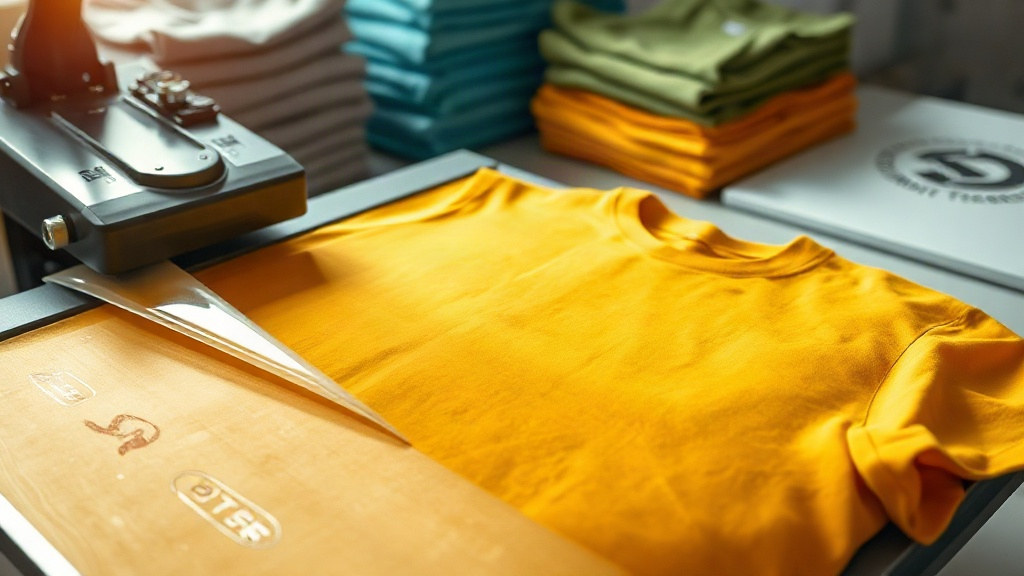
If you're in the custom apparel business, you've likely heard about DTF transfers. This printing method has taken the industry by storm, offering unparalleled versatility and vibrant results. Unlike traditional screen printing or vinyl, DTF transfers allow you to print full-color designs on a wide range of fabrics with minimal setup. In this guide, we'll dive deep into DTF transfers, compare them to other methods, and show you how to pair them with top-quality blanks like Shaka Wear and Smart Blanks to elevate your products. Whether you're a seasoned printer or just starting, understanding DTF transfers can give you a competitive edge.
What Are DTF Transfers?
DTF stands for Direct-to-Film. It's a printing technique where your design is printed onto a special PET film using a DTF printer. The design is printed with water-based inks, then a hot-melt adhesive powder is applied while the ink is still wet. After curing, the transfer is ready to be heat-pressed onto a garment. The result is a soft, durable, and stretchable print that adheres to cotton, polyester, blends, and even nylon. Unlike DTG (Direct-to-Garment), DTF doesn't require pre-treatment, and it works on dark colors without a white underbase. This makes it a game-changer for small businesses and large operations alike.
Why Choose DTF Transfers Over Other Methods?
DTF transfers offer several advantages that make them a preferred choice for many. Here are key benefits:
- Versatility: Works on almost any fabric, including cotton, polyester, blends, and even treated nylon. No need for multiple ink sets or special pretreatments.
- Vibrancy: Produces bright, opaque colors on both light and dark garments. White ink is printed as a base, so colors pop.
- Detail: Captures fine lines, gradients, and photographic images with high fidelity.
- Durability: When applied correctly, DTF prints withstand repeated washing without cracking or fading.
- Cost-effective for short runs: No screens or setup fees, making it ideal for small batches and personalized items.
- Speed: Once you have a transfer, pressing takes seconds. You can fulfill orders quickly.
How to Apply DTF Transfers
Applying DTF transfers is straightforward, but following the right steps ensures a professional finish.
Step-by-Step Application
- Preheat your heat press: Set the temperature to 325°F (160°C) for cotton, or adjust based on fabric type. For polyester, lower to 300°F (150°C) to avoid scorching.
- Position the transfer: Place the DTF transfer onto the garment with the printed side facing up. If your transfer has a white backing, that's the side that goes against the fabric.
- Press: Apply medium pressure for 10-15 seconds. Use a Teflon sheet or parchment paper over the transfer to protect it.
- Peel: After pressing, wait a few seconds for it to cool slightly, then peel the film off in a smooth, steady motion. For a matte finish, peel while hot; for glossy, peel cold.
- Post-press: Cover the design with parchment and press again for 5-10 seconds to ensure the adhesive fully bonds.
Always test on a scrap piece first to dial in your settings.
Choosing the Right Blanks for DTF Transfers
The quality of your blank garment significantly affects the final outcome. Not all blanks are created equal, and some work better with DTF transfers than others. Here are two top brands that consistently deliver excellent results.
Shaka Wear: Heavyweight and Durable
Shaka Wear is known for its heavyweight cotton tees, often 6.0 oz or more. These shirts provide a smooth, tight weave that holds DTF transfers beautifully. The fabric's thickness means less ink penetration, resulting in brighter colors and sharper details. Shaka Wear's classic fit and extensive color range make them a favorite for streetwear and retail-quality apparel. When you pair Shaka Wear with DTF transfers, you get a premium product that feels substantial and looks professional.
Smart Blanks: Consistent and Budget-Friendly
Smart Blanks offer a reliable, consistent canvas for your DTF prints. Their garments are made from soft, ring-spun cotton and blends that are comfortable and take transfers well. The consistent sizing and quality control mean fewer surprises, which is crucial when fulfilling large orders. Smart Blanks are an excellent choice for promotional products, team uniforms, and corporate apparel where cost and consistency matter. They also offer a variety of styles, from tees to hoodies, all suitable for DTF application.
Common Mistakes to Avoid with DTF Transfers
Even experienced printers can run into issues. Here are some pitfalls and how to avoid them:
- Insufficient pressure: If the transfer doesn't adhere properly, it may peel. Ensure your heat press applies even, medium pressure.
- Wrong temperature: Too hot can scorch the fabric or cause the transfer to burn; too cold leads to poor adhesion. Always check the fabric's heat tolerance.
- Not pre-pressing: Moisture in the fabric can ruin the application. Always pre-press the garment for 3-5 seconds to remove wrinkles and moisture.
- Peeling too soon or too late: Follow the recommended peel method for your desired finish. Peeling too early can stretch the design; too late can cause it to crack.
- Ignoring fabric type: While DTF works on many fabrics, some like nylon require lower temperatures. Always test first.
DTF Transfers vs. Other Printing Methods
How does DTF stack up against screen printing, DTG, and vinyl? Let's compare.
DTF vs. Screen Printing
Screen printing is cost-effective for large runs of simple designs, but it requires setup and is limited in colors. DTF excels for complex, full-color designs and short runs, with no setup fees. However, for very large orders of one design, screen printing may be cheaper per unit.
DTF vs. DTG
DTG is great for 100% cotton, but it requires pre-treatment and can be less vibrant on dark colors. DTF works on more fabrics, doesn't need pre-treatment, and produces more opaque prints on darks. DTF transfers also allow you to print ahead and store, which DTG cannot.
DTF vs. Vinyl
Vinyl is limited to one color per layer and is time-consuming to weed. DTF can print full-color images in one go, making it faster for intricate designs. Vinyl may be more durable for simple text, but DTF offers greater design freedom.
Tips for Scaling Your DTF Business
If you're looking to grow, consider these tips:
- Invest in a reliable DTF printer: Quality printers from brands like Epson or Roland ensure consistent output.
- Stock popular blanks: Keep Shaka Wear and Smart Blanks in inventory to fulfill orders quickly.
- Offer customization: Use DTF to personalize items like totes, aprons, and hats, expanding your product line.
- Educate your customers: Many don't know about DTF; explain its benefits to close more sales.
- Optimize your workflow: Batch print transfers, organize by order, and streamline pressing.
Frequently Asked Questions
What is the difference between DTF and DTG?
DTF (Direct-to-Film) involves printing on a film and transferring to the garment, while DTG (Direct-to-Garment) prints directly onto the fabric. DTF works on more fabric types and doesn't require pre-treatment, whereas DTG is mainly for cotton and needs pre-treatment for best results.
Can DTF transfers be applied to polyester?
Yes, DTF transfers work well on polyester, but you should use lower temperature (around 300°F) and light pressure to avoid damaging the fabric. Always test first.
How long do DTF transfers last?
With proper application and care, DTF transfers can last as long as the garment. Wash inside out in cold water and avoid bleach and high heat in the dryer.
Do I need a special printer for DTF?
Yes, you need a DTF printer that uses DTF inks and can print on PET film. Alternatively, you can outsource your transfers to a service like dtfprintsy.com.
What are the best blanks for DTF transfers?
Brands like Shaka Wear and Smart Blanks are excellent choices due to their fabric quality and consistency. They provide a smooth surface for vibrant, durable prints.