
If you've been exploring custom apparel printing, you've likely encountered dtf transfers. This method has taken the printing world by storm, offering vibrant colors and durability that rival traditional techniques. But what exactly are DTF transfers, and how can you use them to elevate your designs? In this guide, we'll walk you through everything you need to know, from the basics to pro tips, so you can achieve professional results right from your home or studio.
What Are DTF Transfers?
DTF stands for Direct to Film. It's a printing technology where your design is printed onto a special film, then coated with a powder adhesive and heat-pressed onto fabric. Unlike DTG (Direct to Garment) printing, which requires specialized equipment and is typically limited to cotton, dtf transfers work on a wide range of materials, including polyester, blends, and even dark fabrics. The process is relatively simple: print, powder, cure, and press. The result is a soft, stretchable print that holds up wash after wash.
Why Choose DTF Transfers?
There are several reasons why DTF transfers have become a favorite among hobbyists and professionals alike. First, versatility: you can apply them to almost any fabric, from t-shirts and hoodies to canvas bags and hats. Second, color vibrancy: DTF prints produce bright, detailed images with fine lines and gradients, thanks to the white ink layer that acts as a base. Third, durability: when applied correctly, DTF transfers resist cracking, fading, and peeling, even after multiple washes. And perhaps most importantly, DTF transfers are cost-effective for small batches and one-off designs, as they eliminate the need for screens or plates.
The DTF Transfer Process Step by Step
Understanding the process will help you troubleshoot issues and achieve consistent results. Here's a breakdown of each stage:
1. Design and Print
Start with a high-resolution image. Your design should be in a PNG or TIFF format with a transparent background. The printer prints the design onto a PET film using special DTF inks. The printer first lays down a white ink layer, followed by the color layers. This ensures the colors pop on any fabric color.
2. Powder Application
While the ink is still wet, the film is coated with a hot-melt adhesive powder. The powder sticks to the wet ink and is then shaken off to remove excess. This step is crucial for the transfer's durability.
3. Curing
The powdered film is then cured using a heat press or a conveyor oven. The heat melts the powder, creating a smooth, adhesive layer. Proper curing is essential; under-curing leads to wash-off, while over-curing can cause the film to become brittle.
4. Heat Pressing
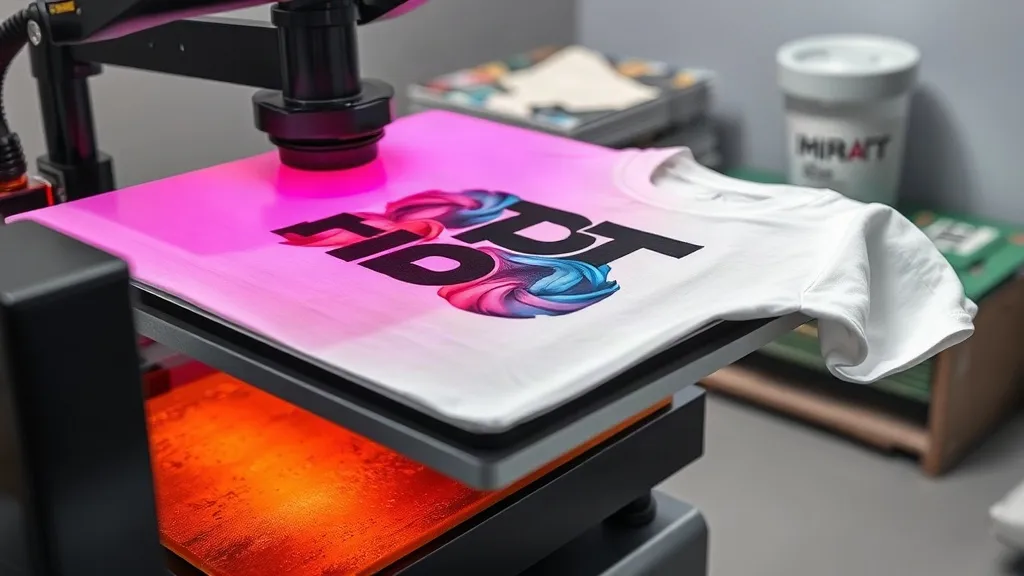
Once cured, the transfer is ready to be applied. Preheat your heat press to the recommended temperature (usually around 300-320°F or 150-160°C). Place the transfer on the fabric with the adhesive side down, and press with medium pressure for 10-15 seconds. Allow it to cool completely before peeling the film. Peeling while hot can distort the design.
Common Mistakes to Avoid
Even seasoned pros can run into issues. Here are some pitfalls to watch out for:
- Insufficient pressure: If the pressure is too low, the transfer won't adhere properly, leading to premature peeling. Make sure your press is calibrated.
- Wrong temperature: Too hot and you'll scorch the fabric; too cold and the adhesive won't activate. Always check the settings for your specific transfer and fabric.
- Peeling too soon: Patience is key. Let the transfer cool completely before peeling. If you're using a cold peel transfer, wait until it's cool to the touch.
- Ignoring fabric compatibility: While DTF works on many fabrics, some may require a lower temperature or a pressing pillow to avoid seams. Always test on a scrap piece first.
Finding DTF Transfers Near You
If you're not ready to invest in a DTF printer, you can order pre-made transfers or custom prints from local shops. Searching for dtf transfers near me can connect you with suppliers who offer quick turnaround and competitive pricing. Many online services also provide DTF printing, so you can upload your design and receive the transfers by mail. When choosing a supplier, check for reviews, sample quality, and turnaround times to ensure you get the best results.
DTF vs. Other Printing Methods
How does DTF stack up against screen printing, DTG, and vinyl? Here's a quick comparison:
- Screen Printing: Great for large orders of simple designs, but setup costs are high and color changes are expensive.
- DTG: Excellent for detailed prints on cotton, but limited to natural fibers and often requires pre-treatment.
- Vinyl: Ideal for simple text and shapes, but not suitable for complex images with gradients.
- DTF: Offers the best of both worlds: detailed, full-color prints on almost any fabric, with no minimum order and low setup costs.
Tips for Long-Lasting DTF Prints
To ensure your DTF transfers withstand the test of time, follow these care instructions:
- Wash inside out in cold water.
- Avoid using bleach or fabric softeners.
- Tumble dry on low or hang to dry.
- Do not iron directly on the print; if needed, iron on the reverse side.
- Wait at least 24 hours after pressing before washing.
Frequently Asked Questions
Can I use DTF transfers on dark-colored shirts?
Absolutely. DTF transfers include a white ink base that makes colors stand out on dark fabrics. This is one of the key advantages over other methods.
How long do DTF transfers last?
With proper application and care, DTF transfers can last as long as the garment itself. They are highly durable and resist cracking and fading.
Do I need a special printer for DTF?
Yes, DTF printing requires a printer that uses DTF inks and a powder shaker. However, you can also purchase pre-printed transfers from suppliers if you don't want to invest in equipment.
What fabrics work best with DTF?
DTF works well on cotton, polyester, blends, and even nylon. It's not recommended for fabrics with a heavy texture or coatings, as adhesion may be affected.
Is DTF printing cost-effective for small businesses?
Yes, especially for small batches and custom orders. There's no minimum order, and you only pay for what you need. It's a great way to offer personalized products without high overhead.
Whether you're a DIY enthusiast or a growing apparel brand, mastering DTF transfers can open up a world of creative possibilities. With the right knowledge and a bit of practice, you'll be producing professional-quality prints in no time.