
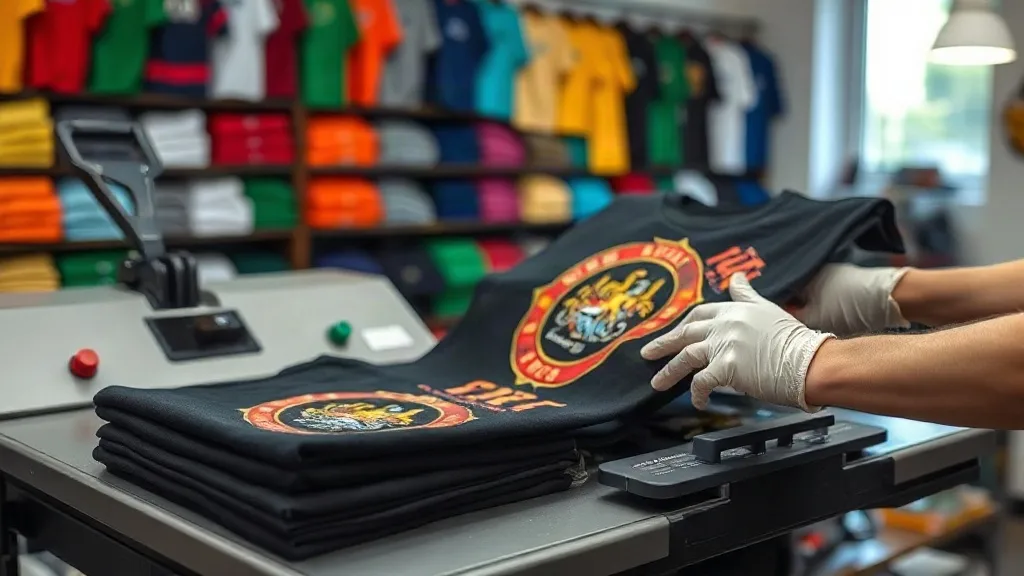
When you're running a print shop, the difference between a good print and a great one often comes down to the blank you choose. Shaka Wear has become a go-to for many shops looking for reliable, heavyweight blanks that take a DTF transfer beautifully. But not all Shaka Wear styles are created equal when it comes to DTF printing. In this guide, we'll break down what makes Shaka Wear a solid choice for DTF, how to pick the right styles, and the pressing techniques that ensure your prints stay put wash after wash.
Why Shaka Wear Works Well with DTF
DTF transfers are known for their vibrant colors and fine detail, but they need a smooth, stable surface to adhere properly. Shaka Wear's blanks are typically made from 100% cotton or cotton-rich blends, which provide an ideal base for DTF. The fabric's tight weave prevents the transfer from sinking in, so you get crisp edges and sharp lines. Plus, the heavyweight nature of many Shaka Wear tees means they can handle the heat and pressure of the press without scorching or shrinking excessively.
Another advantage is Shaka Wear's consistency. When you're producing multiple orders, you need blanks that behave the same way every time. Shaka Wear's quality control ensures that each batch has similar fabric weight and weave, so your press settings remain dialed in.
Choosing the Right Shaka Wear Styles for DTF
Shaka Wear offers a range of styles, from classic tees to hoodies and crewnecks. While most work well with DTF, some are better suited than others depending on your design and customer preferences.
Classic Cotton Tees
The Shaka Wear classic tees are a staple for DTF printing. Their 100% cotton construction provides a smooth canvas that holds transfers securely. The heavyweight fabric (often 6.5 oz or more) gives a premium feel that customers love. For detailed designs, these tees are a safe bet.
Blended Fabrics
Some Shaka Wear styles use poly-cotton blends. While DTF works on blends, the print may appear slightly different due to the fabric's texture. Blends can be a good choice for vintage or distressed looks, but for ultra-sharp graphics, stick with 100% cotton.
Hoodies and Fleece
DTF on fleece can be tricky because of the loft, but Shaka Wear's hoodies have a tight enough face to accept transfers. Use a pressing pillow to ensure even pressure, and consider a lower temperature to avoid flattening the fleece.
Preparing Shaka Wear Blanks for DTF
Before you press, a little prep goes a long way. Always pre-press the garment for 5-10 seconds to remove moisture and wrinkles. This step is especially important with heavyweight cotton, which can hold more moisture than lighter fabrics. Skipping this can lead to poor adhesion and premature peeling.
Pressing Shaka Wear with DTF Transfers
Pressing parameters can vary depending on your transfer supplier and press, but here are general guidelines for Shaka Wear blanks:
- Temperature: 300°F to 320°F (150°C to 160°C). Start at the lower end for blends and higher for 100% cotton.
- Pressure: Medium to firm pressure. You want the transfer to make full contact with the fabric.
- Time: 10-15 seconds for the initial press, then peel when cool (or hot, depending on your transfer type).
- Post-press: A second press with a Teflon sheet or parchment for 5 seconds can improve durability.
Always do a test press on a scrap piece of the same fabric to fine-tune your settings.
Maximizing Efficiency with DTF Gangsheets
For high-volume shops, ordering custom gangsheets can save time and reduce waste. With a DTF Gangsheet Builder, you can arrange multiple designs on a single sheet, maximizing your transfer film usage. When printing for Shaka Wear blanks, group designs by size and color to streamline your pressing workflow. This approach not only speeds up production but also ensures consistent quality across all garments.
Common Pitfalls to Avoid
Even with quality blanks like Shaka Wear, mistakes can happen. Here are a few to watch out for:
- Over-pressing: Too much heat or pressure can cause scorching or flatten the fabric's texture.
- Insufficient pressure: This leads to poor adhesion, especially on seams and pockets.
- Ignoring fabric blends: Blends may require lower temperatures to prevent dye migration.
- Not pre-pressing: Moisture is the enemy of DTF adhesion.
Frequently Asked Questions
Can I use DTF transfers on Shaka Wear hoodies?
Yes, DTF works on Shaka Wear hoodies, but you'll need to adjust your pressing technique. Use a pressing pillow to raise the print area and ensure even pressure. Lower the temperature slightly to avoid flattening the fleece, and consider a longer press time to penetrate the loft.
What is the best Shaka Wear blank for DTF printing?
The 100% cotton heavyweight tees are generally the best for DTF because they provide a smooth, stable surface. However, blends can work well for certain designs. Always test a sample to ensure compatibility.
How do I prevent the DTF print from cracking on Shaka Wear tees?
Cracking usually results from insufficient pressure or incorrect peeling. Make sure your press is calibrated, use firm pressure, and follow the transfer instructions for peel timing. Also, avoid washing the garment for at least 24 hours after pressing.
Do I need to pre-treat Shaka Wear blanks before DTF?
No pre-treatment is necessary for DTF, but pre-pressing to remove moisture and wrinkles is crucial. This step ensures proper adhesion and longevity of the print.
Can I order custom gangsheets specifically for Shaka Wear sizes?
Absolutely. Using a gangsheet builder, you can arrange designs to match the sizes of your Shaka Wear order, minimizing waste and maximizing efficiency. Group small, medium, and large designs on separate sheets for easy sorting.
By understanding how Shaka Wear blanks interact with DTF transfers, you can deliver consistent, high-quality prints that keep customers coming back. Experiment with different styles and settings, and don't forget to leverage tools like gangsheets to streamline your workflow.