
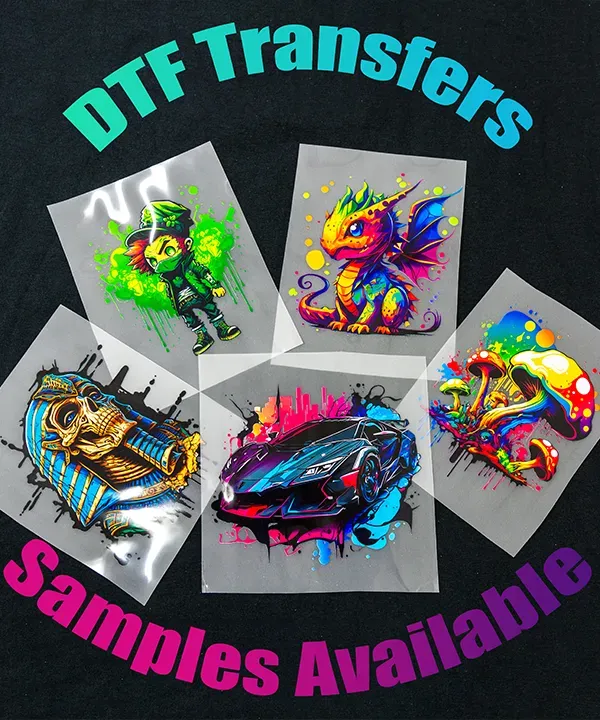
In the dynamic world of custom printing, DTF transfers are gaining recognition as an innovative solution that sets a new standard for quality and versatility. The Direct-to-Film (DTF) technology enables businesses to effortlessly print intricate designs onto high-quality films, which are then transferred onto a variety of fabrics with exceptional clarity. What distinguishes DTF transfers from traditional methods is not only its efficiency and ease of use but also its potential for sustainable printing, reducing waste and utilizing eco-friendly inks. As demand for customized apparel and promotional items surges, the DTF transfer process is becoming increasingly popular among entrepreneurs looking to meet consumer needs without sacrificing quality. This blog post will delve into the fascinating advancements in DTF technology and its key benefits compared to other printing techniques.
As the custom printing industry evolves, new methodologies like direct-to-film (DTF) printing are reshaping the landscape. This process, often thought of as a game-changing approach, utilizes advanced techniques to produce vibrant, high-resolution prints on various textiles. Beyond its aesthetic appeal, DTF printing offers a sustainable alternative, aligning with modern consumer preferences for environmentally conscious options. Furthermore, the versatility of this method underscores its ability to cater to a diverse range of materials, making it an attractive choice for businesses seeking flexibility in their printing solutions. By exploring the advantages and technological advancements of DTF transfers, we can better understand their profound impact on the future of custom printing.
The Advantages of DTF Transfers in Custom Printing
DTF transfers offer a range of benefits that make them an appealing choice for businesses engaged in custom printing. One major advantage is the high quality of the prints produced. Utilizing advanced DTF technology, this method allows vivid colors and intricate patterns to be effectively transferred to various fabrics. This ensures that each finished product not only meets but often exceeds customer expectations, setting a new standard in the fabric printing industry.
Additionally, the cost-effectiveness of DTF transfers makes them particularly attractive for small businesses and startups. Unlike traditional printing methods, which may require significant setup for large runs, DTF printing is ideal for smaller quantities without sacrificing quality. This flexibility empowers entrepreneurs to offer custom products tailored to customer needs, promoting creativity and innovation in design.
Recent Innovations in DTF Technology
The advancements in DTF technology continue to shape the custom printing landscape. Recent developments have significantly improved the durability and vibrancy of printed designs due to innovative ink formulations. Brands like Epson and Brother are pioneering these enhancements, leading to printers equipped with user-friendly interfaces and high-speed production capabilities. This progress not only improves the printing process but also elevates the quality of the final product.
Furthermore, the expanding DTF market reflects an increasing demand for customization across various industries, including fashion and promotional merchandise. As consumers seek unique, personalized items, the efficiency and capabilities of modern DTF printers allow businesses to meet these demands seamlessly, ensuring quicker turnarounds and greater customer satisfaction.
Comparing DTF Transfers to Other Printing Techniques
When comparing DTF transfers with traditional methods like screen printing and direct-to-garment (DTG) printing, it's clear that DTF offers numerous advantages. One significant benefit is its flexibility, allowing for detailed designs in a variety of color options without the limitations often encountered in screen printing. This capability makes DTF an ideal choice for applications that require high-quality and versatile prints on different materials.
Moreover, production efficiency is a standout feature of DTF printing. With minimal setup times compared to screen printing, custom print shops can respond quickly to fluctuating demand and size variations. Many users report that DTF prints also maintain a softer texture and greater durability compared to DTG outputs, solidifying DTF’s position as a desirable choice among businesses looking for high-quality printing solutions.
Sustainability Practices in DTF Printing
Maximizing sustainability has become an essential aspect of modern printing, and DTF technology embraces this necessity. The eco-friendly inks being developed for DTF printing significantly reduce the environmental impact associated with traditional printing processes. These innovative formulations not only deliver excellent print quality but also appeal to consumers who are increasingly informed about and concerned for environmental issues.
Another sustainability factor is the reduction in material waste that DTF transfers can achieve. The efficient production process minimizes excess output, making it a more responsible choice compared to screen printing or DTG methods. As sustainability continues to shape consumer preferences, adopting DTF printing places businesses at the forefront of this ecological shift, aligning with a growing demand for eco-conscious practices.
The Future of Direct-to-Film Printing
Looking ahead, the future of direct-to-film printing seems bright as technology continues to progress. Industry experts anticipate ongoing innovations that will significantly enhance both efficiency and product quality. Developments in software integration are expected to streamline workflows, making printing more accessible and user-friendly. These advancements will likely attract more businesses to adopt DTF due to its potential for increased production capabilities.
Moreover, as the demand for eco-friendly products rises, the evolution of materials utilized in DTF printing will contribute to a more sustainable approach to custom printing. Economies of scale are likely to lead to decreased operational costs, thus making DTF a competitive option that aligns with the requirements of contemporary consumers focused on quality and sustainability.
Maximizing Profitability with DTF Transfers
Maximizing profitability is a key consideration for any business in the custom printing sector, and DTF transfers offer unique opportunities in this regard. The ability to produce high-quality prints on demand without the need for large inventory makes it possible for businesses to reduce overhead costs. This profitability factor is particularly important for emerging brands that aim to minimize initial investments while capitalizing on custom orders.
In addition, DTF transfers cater to niche markets that require personalized products. Businesses can leverage this capability to attract customers looking for one-of-a-kind items, thereby increasing sales volume. By integrating DTF technology into their operations, companies can not only enhance their service offerings but also gain a competitive edge in an increasingly crowded market.
Frequently Asked Questions
What are DTF transfers in custom printing?
DTF transfers, or Direct-to-Film transfers, are a revolutionary custom printing technique where designs are printed onto a special film and then transferred to textiles using heat and pressure. This method is known for its high print quality and versatility, allowing applications on various materials such as cotton and polyester.
How does the DTF transfer process differ from traditional custom printing methods?
The DTF transfer process differs from traditional custom printing methods like screen printing and direct-to-garment (DTG) by providing enhanced flexibility, faster production times, and the ability to produce intricate designs on diverse materials. Unlike screen printing, which requires more setup, DTF is quicker for short runs, making it more cost-effective for small businesses.
What are the sustainability benefits of using DTF printing technology?
DTF printing technology offers significant sustainability benefits, including the use of eco-friendly inks and a reduced environmental footprint due to less material waste. This aligns with the growing demand among consumers for sustainable printing practices, positioning DTF as a responsible choice in the custom printing industry.
Can DTF transfers produce vibrant colors on various fabrics?
Yes, DTF transfers are capable of producing vibrant colors and intricate designs that adhere well to a wide range of fabrics, including cotton, polyester, and blends. This capability contributes to the high-quality output that DTF printing is known for in the custom printing market.
What advancements are being made in DTF technology?
Recent advancements in DTF technology include innovations in ink formulations that enhance print vibrancy and durability. Additionally, major brands are developing user-friendly DTF printers that streamline the printing process, improving production efficiency and turnaround times for custom print businesses.
What future trends can we expect for DTF transfers in the custom printing industry?
Future trends for DTF transfers include continued growth in market adoption, improvements in technology that lower operational costs, and advancements in eco-friendly materials and software solutions that simplify the printing process, ensuring DTF remains competitive in the evolving landscape of custom printing.
| Key Point | Details |
|---|---|
| High Print Quality | Produces vibrant colors and intricate designs that adhere well to fabrics. |
| Cost-Effectiveness | Ideal for short runs, helping small businesses afford high-quality prints. |
| Versatility | Can print on diverse materials like cotton and polyester. |
| Flexibility | Better for intricate designs and various materials compared to traditional methods. |
| Production Efficiency | Minimal setup time facilitates quick adjustments to demand impacts. |
| Sustainability | Uses eco-friendly inks and generates less waste than traditional printing. |
| Future Outlook | Expected advancements in technology and reduction in operational costs. |
Summary
DTF Transfers are redefining the landscape of custom printing by offering exceptional print quality, cost-effectiveness, and versatility. As the demand for personalized products continues to surge, DTF technology stands out by increasing production efficiency and promoting sustainable practices. The advancements in eco-friendly inks and reduced material waste make it a viable choice for environmentally conscious consumers. Moving forward, the combination of innovative technology and market growth positions DTF Transfers as a leading option for businesses in the custom printing industry.