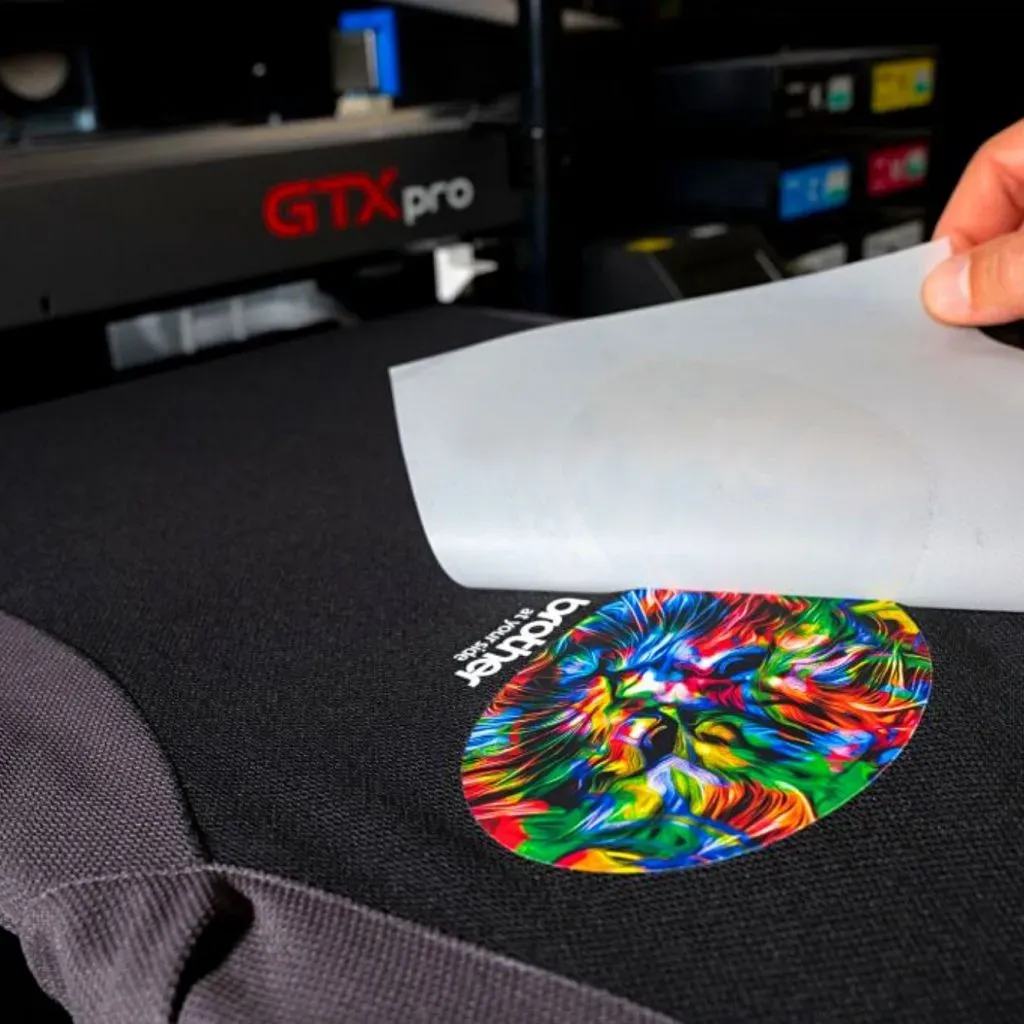
DTF printing, or Direct to Film printing, is an innovative printing technology that’s transforming the way we apply designs to various fabric materials. This versatile technique allows both enthusiasts and budding entrepreneurs to bring their artistic visions to life with remarkable clarity and color vibrancy. In this comprehensive guide, we’ll explore essential DTF printing tips that can help you achieve stunning print results—from selecting the right materials to mastering the heat transfer process. Whether you are new to printing or looking to refine your skills, understanding the nuances of DTF printing will set you on the path to creating impressive designs that stand out. Join us as we unravel the secrets behind beginner’s DTF printing success, ensuring your projects exceed expectations every time.
Stepping into the realm of Direct to Film printing opens up a world of possibilities for those aiming to personalize and customize fabric items. Often referred to as direct-to-film or DTF, this modern method is lauded for its ease of use and ability to produce richly detailed prints. Whether you’re crafting custom apparel or exploring creative projects, mastering techniques like those found in a DTF printing guide will prove invaluable. The process utilizes a unique film that captures intricate designs which can then be seamlessly transferred onto various materials. This introduction serves to highlight not just the technology itself but also the artistic potential waiting to be unleashed by every aspiring printer.
Understanding the Basics of Direct to Film Printing
Direct to Film (DTF) printing is gaining popularity as a versatile method for transferring designs onto various fabrics. Unlike traditional screen printing, DTF allows for intricate designs with vibrant colors and excellent detail to be applied without extensive setup. This technique involves printing onto a specialized film, which is then transferred to the fabric using heat. The simplicity and accessibility of DTF make it an attractive option for hobbyists and entrepreneurs alike, providing endless possibilities for creating personalized apparel.
Furthermore, DTF printing sets itself apart from other methods like direct to garment (DTG) or vinyl printing. It supports a wider range of fabric types, including cotton, polyester, and blends, making it suitable for different projects. This adaptability opens up opportunities for custom orders, where each print can match the specifications of the customer, whether they’re looking for a simple logo or a complex graphic design. As a beginner, understanding these fundamental differences will help you choose the best approach for your projects.
Essential Equipment for DTF Printing Success
To achieve stunning print results with DTF printing, investing in the right equipment is crucial. A high-quality inkjet printer specifically designed for DTF printing is essential for achieving the best outcomes. Popular choices among beginners include Epson eco-tank printers or dedicated DTF printers, which are known for their reliability and the quality of prints they produce. Alongside the printer, PET film sheets are needed to ensure compatibility with DTF inks, which play a critical role in the adhesion and longevity of the prints.
In addition to the printer and film, adhesive powder is a necessary component of the DTF process. This powder is applied while the ink on the film is still wet, allowing for the ink to stick effectively to the fabric when heat is applied. Ensuring that your workspace is organized and that you have all the necessary equipment readily available will make the DTF printing process smoother and more efficient.
Preparing Artwork for DTF Printing
Properly preparing your artwork is vital to achieving high-quality prints in DTF printing. Utilizing software like Adobe Illustrator or CorelDRAW ensures that your designs are created with high resolution and precise details. It’s essential to work in a minimum resolution of 300 DPI to prevent pixelation in your final prints. Additionally, understanding color profiles that align with DTF printing will guarantee that the colors you see on your screen closely match what appears on your fabric.
Another key aspect of preparing your artwork is considering the size and placement of your designs. Make sure to provide adequate margins and consider the fabric’s texture and color, as these elements can affect the final appearance of your print. By taking the time to meticulously prepare your artwork, you set the foundation for stunning results with your DTF prints.
Optimal Print Settings for DTF Printing
Achieving stunning results in DTF printing is not only about the equipment but also about the settings you use during the printing process. Setting your printer to high-quality or photo print settings is crucial to enhance the detail and vibrancy of the colors in your prints. Regular maintenance, such as cleaning the print heads, will help avoid issues like streaking or blotchiness, ensuring that each print is as flawless as possible.
Additionally, conducting test prints is highly recommended. Doing so allows you to fine-tune your settings and determine the best configurations for your specific printer and material combinations. This practice might seem tedious initially, but it will pay off substantially as you work towards perfecting your DTF printing skills.
Mastering the Heat Transfer Process
The heat transfer process is a critical stage in DTF printing, where you bring your designs to life on fabric. Typically, a heat press set at around 320°F (160°C) for 15 to 20 seconds works well for most materials. However, it’s essential to experiment with temperature and pressure, as different fabrics may require adjustments for optimal adhesion. A consistent approach during this process helps in producing clean, professional-looking transfers.
After pressing, allowing the transfer to cool for several moments before peeling back the film is crucial. This allows the design to set properly, reducing the risk of smudging or distorting your artwork. Mastering these aspects of the heat transfer will significantly enhance your overall proficiency in DTF printing, contributing to consistently stunning print results.
Continuous Learning in the DTF Printing Community
Embarking on your DTF printing journey is just the beginning. The landscape of printing technology is continually evolving, making it essential to stay updated on the latest trends, tools, and tips. Engaging with online resources such as Print Authority and InkSoft, which regularly publish guides and articles on DTF printing, can keep you informed about advancements in inks, printers, and printing techniques.
Additionally, platforms like YouTube are treasure troves for DTF printing tutorials, where you can watch experts demonstrate various techniques live. Participating in community forums and groups, like r/DTFprinting on Reddit, allows you to connect with fellow enthusiasts to exchange tips and solve common problems. This interactive learning will help refine your skills and foster a supportive community around your DTF printing endeavors.
Frequently Asked Questions
What is DTF printing and how does it work?
DTF printing, or Direct to Film printing, is a modern printing technique that allows you to print designs directly onto a special film before transferring them onto fabric. This method involves using an inkjet printer, specialized PET film, and adhesive powder to create vibrant and detailed prints suitable for various fabric items, including clothing and accessories.
What equipment do I need for DTF printing?
To start with DTF printing, you’ll need a reliable inkjet printer designed for DTF, quality PET film for transfers, and adhesive powder to ensure proper ink adhesion to fabrics. Investing in good quality equipment is crucial for achieving stunning print results.
Can beginners easily use DTF printing?
Yes, beginners can easily use DTF printing! The process is user-friendly, especially when following a DTF printing guide. Key steps include preparing your artwork in design software, ensuring proper printer settings, and mastering the heat transfer process.
What are some crucial DTF printing tips for better results?
For stunning results in DTF printing, always use a minimum resolution of 300 DPI for your designs, set your printer to high-quality settings, clean print heads regularly, and experiment with heat transfer times and pressures to find what works best for your materials.
How can I improve the longevity of DTF prints?
To enhance the durability of your DTF prints, ensure that you use compatible PET film and high-quality adhesive powder. Proper curing during the heat transfer process and avoiding abrasive washing methods will also help maintain your print integrity over time.
Where can I find more resources to learn about DTF printing?
For further learning about DTF printing, check resources like the Print Authority’s Beginner’s Guide to DTF Printing or various YouTube tutorials that offer insights into techniques and troubleshooting tips from experienced printers.
| Key Point | Description |
|---|---|
| What is DTF Printing? | A modern technique that transfers designs onto fabrics using a special film printed with vibrant colors and detail. |
| Key Equipment | A reliable inkjet printer, PET film for transfers, and adhesive powder for ink transfer are essential. |
| Preparing Artwork | Design using software like Adobe Illustrator; ensure high resolution (300 DPI) and accurate color profiles. |
| Print Settings | Use high-quality settings and conduct test runs to optimize your prints. |
| Heat Transfer Process | Heat press at 320°F for 15-20 seconds; cool before peeling to avoid smudging. |
| Learning and Experimentation | Stay updated through online resources, tutorials, and community forums. |
Summary
DTF Printing offers a revolutionary way for artists and businesses to transfer beautiful designs onto fabrics with great ease and precision. This technique, which stands for Direct to Film printing, not only showcases vivid colors and intricate details but also simplifies the printing process compared to traditional methods. Beginners will find DTF printing particularly accessible as it requires minimal setup and basic equipment. By following essential tips like using high-quality inks, preparing artwork correctly, and optimizing print settings, you’ll be on your way to creating stunning, professional-quality prints. DTF printing remains at the forefront of fabric decoration technology, making it essential for anyone looking to make their mark in the world of custom apparel.