
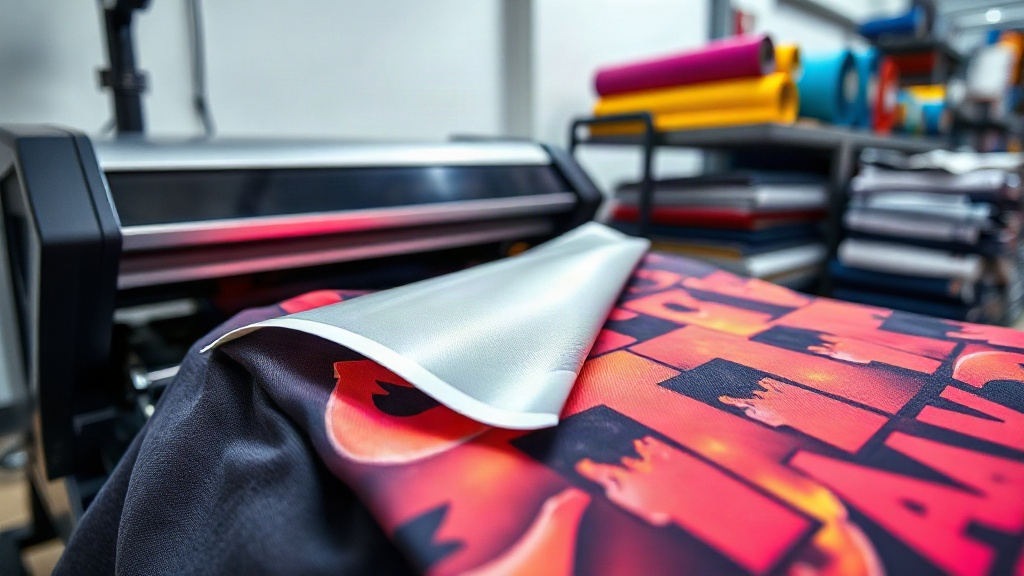
When the demand for custom apparel spikes, whether it's for a small business or a family reunion, the phrase "DTF transfers" often pops into your mind. But finding a reliable local supplier can be a challenge. You want quality, speed, and fair pricing without having to ship across the country. This guide is your road map to locating and evaluating DTF transfers near me, so you can get vibrant, durable prints without the headache.
Why Local DTF Transfers Are a Game Changer
There's something reassuring about working with a business in your own community. Not only do you support the local economy, but you also get the benefit of face-to-face communication, faster turnaround, and the ability to see samples before committing to a bulk order. For small businesses and hobbyists, this can be the difference between a smooth project and a logistical nightmare.
But let's be honest: not all DTF transfer providers are created equal. Some use outdated equipment, while others cut corners on materials. That's why knowing what to look for is crucial.
What Are DTF Transfers and Why Do They Matter?
Direct-to-film (DTF) printing is a method where a design is printed onto a special film, coated with adhesive powder, and then heat-pressed onto fabric. Unlike traditional screen printing, DTF allows for full-color, high-detail prints with no minimum order quantities. It works on a variety of fabrics, including cotton, polyester, and blends, making it incredibly versatile.
When you search for "DTF transfers," you're looking for a service that prints your artwork onto this film, so you can later apply it yourself or have it applied by a shop. This flexibility is why many small apparel brands choose DTF over other methods.
How to Find the Best DTF Transfers Near Me
Your search for DTF transfers near me might feel overwhelming, especially with so many options online and offline. Here's a step-by-step approach to narrow down your choices:
1. Start with Local Business Directories and Maps
Use Google Maps or Yelp to list print shops in your area. Search for terms like "DTF printing" or "custom transfers." Look at their photos and reviews to gauge the quality of their work. Pay attention to recent reviews, as they reflect current practices.
2. Ask for Samples
The best way to judge a provider is to see their work in person. Request a sample transfer and apply it to a test garment. Check for color vibrancy, washability, and how the print feels. A reputable shop will be happy to provide samples, sometimes for a small fee.
3. Inquire About Their Equipment and Materials
Ask what printers and films they use. High-quality DTF transfers often come from Epson or Brother printers with proper CMYK+White capabilities. The film should be of good thickness, and the adhesive powder should be evenly applied. If they're hesitant to share details, that's a red flag.
4. Check Turnaround Time
If you're on a deadline, ask about their production schedule. Some local shops offer same-day or next-day service for small orders, while others might have a longer queue. Make sure their timeline aligns with your needs.
5. Compare Pricing
Pricing for DTF transfers varies based on size, quantity, and complexity. While you don't want to go for the cheapest option, you also shouldn't overpay. Get quotes from several providers and compare. Keep in mind that shipping costs are eliminated when you go local, which can save you money.
Common Mistakes to Avoid When Choosing a DTF Provider
Even with careful research, you might fall into common traps. Here are pitfalls to watch out for:
Overlooking Print Resolution
Low-resolution prints will look pixelated when transferred. Always ask for a proof or a digital preview before production. If they can't provide a high-res preview, it's best to move on.
Ignoring Wash Test Results
DTF prints should withstand multiple washes without cracking or fading. A quick wash test can save you from selling low-quality products to your customers. Ask the provider if they have wash-tested their transfers, or do it yourself with a sample.
Underestimating the Importance of White Ink
For dark-colored garments, a white underbase is essential. Ensure that the provider uses enough white ink to make colors pop without making the print stiff. A balance is key.
How to Prepare Your Artwork for DTF Transfers
If you're sending your own designs, you need to set them up correctly to avoid production delays. Here are some tips:
Use High-Resolution Files
Your artwork should be at least 300 DPI at the final print size. Vector files (AI, EPS, PDF) are preferred, but high-res PNGs with transparent backgrounds also work well.
Keep Colors in CMYK
Since DTF printing uses CMYK plus white, your file should be in CMYK color mode to ensure accurate color matching. RGB files might look different on screen and in print.
Add a White Underbase for Dark Fabrics
If your design is for dark garments, separate the white layer or inform the printer to add one. Many shops have software that does this automatically, but it's always good to communicate.
Consider the Size and Placement
Think about where the transfer will be placed on the garment. Make sure your design doesn't extend into seams or collars. A practical size for a back print is around 12x14 inches, while a chest print is usually 4x4 inches.
What to Expect When Working with a Local DTF Shop
Once you've found a provider, the process is straightforward:
- Consultation: You'll discuss your project, fabric type, and quantity.
- Proofing: They'll send a digital mockup for your approval.
- Production: After approval, they print your transfers.
- Delivery or Pickup: You either pick up the transfers or have them shipped (if far).
- Application: You heat-press the transfers onto your garments.
Some shops also offer full-service printing, where they apply the transfers for you. This might be a better option if you don't have a heat press or want to save time.
Tips for Applying DTF Transfers Like a Pro
Even if you've never used DTF transfers before, you can achieve professional results at home or in your small studio. Here's how:
Use the Right Heat Press Settings
Typically, DTF transfers require a temperature of around 320°F (160°C) and medium pressure for 15 to 20 seconds. But always follow the manufacturer's recommendations, as different films and adhesives may have specific requirements.
Pre-Press Your Garment
Before applying the transfer, pre-press the garment for a few seconds to remove wrinkles and moisture. This ensures a smoother application and better adhesion.
Peel It Hot or Cold?
Most DTF transfers are hot-peel, meaning you peel the film immediately after pressing while it's still hot. Others require cold peel. Check with your provider. A quick test will tell you which method yields the best results.
Press Evenly
Make sure the heat press applies even pressure across the entire transfer. Use a Teflon sheet to protect the film and garment from direct heat.
Cost Considerations: How to Save on DTF Transfers
Budget is always a concern. Here are a few ways to get the best value for your money:
- Order in Bulk: Most providers offer discounts for larger quantities. If you have a long-term project, consider ordering more at once.
- Combine Multiple Designs: Some shops charge per transfer, not per design. If you have several small designs, combining them on one sheet might reduce costs.
- Stick to Standard Sizes: Custom sizes might incur extra setup fees. Using standard sizes like 8x10 or 13x19 can save money.
- Ask for Loyalty Discounts: If you plan to be a repeat customer, negotiate a loyalty discount or a wholesale rate.
FAQs about DTF Transfers Near Me
How long do DTF transfers last?
DTF transfers are known for their durability. When applied correctly, they can withstand 50+ washes without significant fading or cracking. However, the lifespan depends on the quality of the transfer, the fabric, and the care instructions. Always follow proper washing and drying guidelines to extend the life of your prints.
Can I use DTF transfers on any fabric?
DTF transfers work best on cotton, polyester, cotton-poly blends, and even some synthetic fabrics like nylon. However, for high-stretch fabrics or those with special coatings, you might need to test first. It's always a good idea to ask your local provider for advice based on your specific garment.
What is the minimum order for DTF transfers?
One of the biggest advantages of DTF is that there's no minimum order. You can order just one transfer if you need it. This makes it ideal for small businesses, custom gifts, or sample testing. However, pricing per transfer decreases with quantity, so it's cost-effective to order in bulk if you have the demand.
How do I store unused DTF transfers?
Store your transfers in a cool, dry place away from direct sunlight. Keep them flat, preferably in a sealed plastic bag or container to prevent moisture and dust. If stored properly, they can last for months without losing their adhesive properties.
Do local DTF shops offer color matching?
Many professional local shops offer color matching services. They can adjust the CMYK values to match your brand colors or specific Pantone shades. This is often done through a proofing process, where you approve a digital sample before production. Be sure to ask if they provide this service.
Take the Next Step
Finding DTF transfers near me doesn't have to be a daunting task. By asking the right questions, testing samples, and understanding what makes a quality transfer, you can build a reliable relationship with a local printer. Whether you're launching a clothing line or just need a few custom shirts for an event, the perfect provider is out there. Do your research, trust your instincts, and soon you'll be pressing stunning, long-lasting prints that make your designs shine.
Remember, the best DTF provider is one that meets your specific needs, communicates clearly, and delivers consistently. So go ahead, start your search today, and give your custom apparel the quality it deserves.