
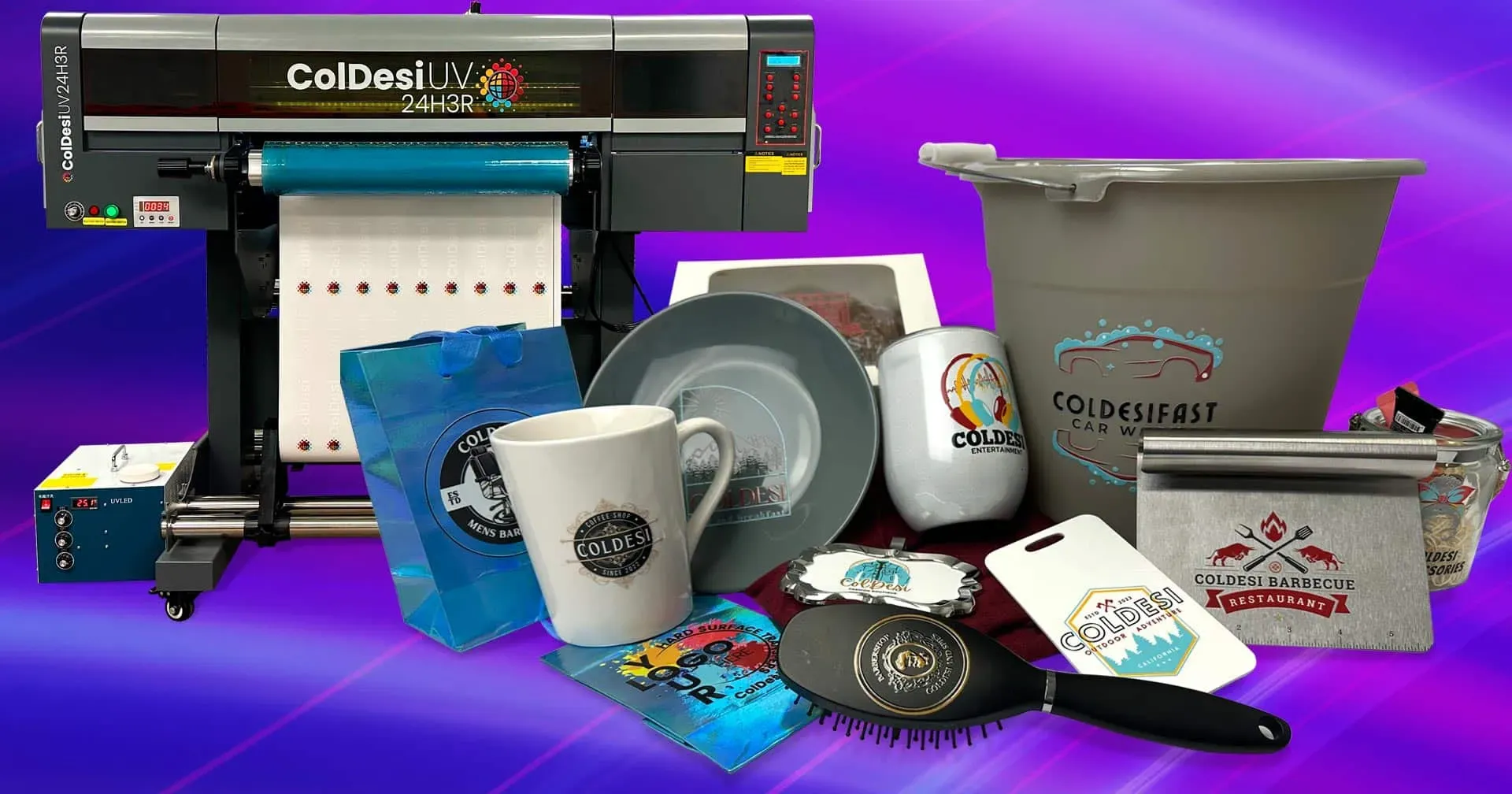
UV DTF printing is revolutionizing the printing industry, marking a significant leap towards the future of printing. This innovative technology utilizes ultraviolet light to cure ink directly onto film, enabling businesses to produce high-quality, customized prints with unmatched precision and speed. The advantages of UV printing extend beyond merely aesthetic appeal; it also aligns with the rising demand for sustainable printing technology that minimizes ecological impact. As industries embrace this printing innovation, the ability to print on diverse substrates—from textiles to plastics—opens up exciting new avenues for creativity and customization. With lower emissions and increased efficiency, UV DTF printing is set to lead the charge into a more sustainable future, proving that quality and environmental responsibility can go hand in hand.
Often referred to as ultraviolet direct to film printing, this method is making significant waves in the market for its efficient output and environmental advantages. As printing technologies evolve, techniques like UV DTF provide businesses with the tools needed to meet modern demands for personalized and high-quality products. This method enhances customization capabilities and allows for rapid production timelines, catering to various industries, including fashion and packaging. Its positive impact on sustainability is also noteworthy, as it reduces harmful emissions commonly associated with traditional printing methods. By adopting such innovations, companies are not only enhancing their offerings but also contributing to a more sustainable printing landscape.
The Rise of UV DTF Printing in Various Industries
UV DTF printing technology is rapidly gaining traction in a wide array of industries due to its unmatched versatility. Unlike traditional printing methods, which may be limited in substrate compatibility, UV DTF can print on textiles, plastics, metals, and more. This opens the door for a myriad of applications, from vibrant fashion designs to durable packaging solutions. Brands are utilizing UV DTF to create bold, distinctive products that resonate with consumers seeking quality and innovation, making them more competitive in a crowded marketplace.
The adoption of UV DTF printing is particularly significant in sectors that thrive on creativity and personalization, such as the fashion industry and promotional goods. Companies are recognizing that the rapid production capabilities and superior quality of UV DTF can help them stay ahead of trends and fulfill consumer demands for custom solutions. With its ability to produce intricate designs at high speed, UV DTF is not just a technological advancement; it’s a vital tool for brands looking to innovate and connect with their audience.
The Environmental Edge: Sustainability in UV DTF Printing
Sustainability is not just a buzzword; it's a crucial aspect of modern manufacturing practices. UV DTF printing significantly reduces the emission of volatile organic compounds (VOCs) compared to conventional printing methods, making it an eco-friendly alternate choice for businesses. Companies that adopt UV DTF technology not only enhance their production processes but also align themselves with sustainable practices that can differentiate them in a socially conscious marketplace.
By switching to UV DTF printing, businesses are not merely meeting regulatory requirements; they are actively participating in a broader movement toward environmentally responsible production. This transition supports the growing consumer demand for sustainable products and practices. As brands become more accountable for their environmental impact, UV DTF technology emerges as a frontrunner in embracing sustainable printing technology, helping to reduce ecological footprints and promote a healthier planet.
Technological Innovations Enhancing UV DTF Printing
The continuous evolution of technology plays a pivotal role in the advancements of UV DTF printing. With the integration of UV LED technology, these modern printing systems are now capable of producing exceptionally high-quality prints at faster speeds than ever. Enhanced operational efficiency allows businesses to meet tight deadlines without compromising on print quality. As technology progresses, we can expect even more sophisticated features that will expand the scope of what can be achieved with UV DTF.
These innovations do not only benefit production efficiency; they also enhance creativity in design. Users can experiment with intricate patterns and vibrant colors, producing high-detail prints that were previously unattainable. This level of precision ensures that even the most complex designs can be executed flawlessly, encouraging more businesses to adopt UV DTF printing as a viable option for their customized print needs. As a result, this technological progression contributes significantly to positioning UV DTF at the forefront of printing innovations.
Cost-Effectiveness of UV DTF: A Smart Investment
Cost considerations are a critical factor in the decision-making process for companies looking to adopt new printing technologies. UV DTF printing offers substantial cost advantages by minimizing production expenses and enhancing profit margins. For instance, the durability of UV DTF prints means businesses spend less on reprints and repairs due to wear and tear, making this technology not only affordable but a sound long-term investment.
Taking the example of companies like Gangheet, we see that the cost efficiency derived from UV DTF is transforming the economic landscape for many players in the printing industry. By lowering operational costs while boosting print quality, businesses can allocate their resources more wisely, whether that's reinvesting in growth or exploring new markets. Such financial benefits solidify UV DTF printing as a compelling option for companies looking to thrive in a competitive industry.
Meeting Consumer Demands through Customization
The demand for personalized products is on the rise, and UV DTF printing is uniquely positioned to meet this trend. With its rapid turnaround capability and flexibility, UV DTF technology enables businesses to produce customized prints quickly, addressing specific consumer desires. As more customers seek one-of-a-kind items, the ability to deliver unique and compelling designs becomes a survival tactic for brands in today's marketplace.
Moreover, the significance of this technology extends beyond basic customization; it fosters a deeper connection between brands and consumers. UV DTF printing allows businesses to offer tailored solutions that resonate with individual tastes, preferences, and needs. As the market for personalized merchandise continues to surge, companies that capitalize on UV DTF's capabilities can strengthen their market position and enhance customer loyalty.
Future Prospects of UV DTF Printing Market
Market analysts project a bright future for the UV DTF printing industry, with expectations of significant growth in the coming years. The shift toward more sustainable, efficient, and high-quality printing methods is anticipated to drive a compound annual growth rate (CAGR) of around 10%. This growth trajectory highlights the industry's response to changing consumer preferences and the need for innovative printing solutions that align with environmental considerations.
As businesses increasingly seek methods to enhance print quality while minimizing costs, UV DTF emerged as a frontrunner. The technology's adaptability and robust performance characteristics position it strategically within the global printing landscape. As we move forward, the excitement surrounding UV DTF technology will likely only intensify, pushing the boundaries of printing innovations and changing how businesses approach their printing needs.
Frequently Asked Questions
What is UV DTF printing and why is it important for the future of printing?
UV DTF printing, or UV Direct to Film printing, is an innovative technology that uses ultraviolet light to cure ink as it prints onto various substrates. Its importance in the future of printing lies in its speed, precision, and versatility. This method is quickly gaining traction across industries including fashion and packaging, making it a key player in **printing innovations**.
How does UV DTF printing contribute to sustainable printing technology?
UV DTF printing is considered a **sustainable printing technology** because it emits significantly fewer volatile organic compounds (VOCs) compared to traditional printing methods. This characteristic makes it an eco-friendly alternative that helps businesses meet consumer demands for more environmentally responsible practices, thereby reducing their carbon footprint.
What are the advantages of UV DTF printing for customized prints?
One of the standout **UV printing advantages** is its ability to produce high-quality customized prints rapidly. The technology allows for intricate designs and personalizations, fulfilling the growing consumer demand for unique merchandise in sectors like apparel and promotional products. This capability positions UV DTF printing as an essential tool for brands looking to offer **customized prints**.
In what ways does UV DTF printing represent the latest advancements in printing technology?
UV DTF printing exemplifies the latest **printing innovations** through its advanced UV LED technology that enhances print quality and operational efficiency. Modern UV DTF printers provide fast print speeds and exceptional precision, allowing businesses to meet evolving market demands without compromising on quality or delivery times.
What cost benefits can businesses expect from adopting UV DTF printing?
Businesses can experience significant cost savings when adopting UV DTF printing due to lower production costs and the durability of UV DTF prints. These prints are designed to withstand wear and tear better than traditional methods, resulting in higher margins and making UV DTF an attractive option for cost-effective production in various industries.
How is the market for UV DTF printing expected to grow in the future?
Market analysts project that the **UV DTF printing** market will experience robust growth, with an anticipated compound annual growth rate (CAGR) of around 10% in the coming years. This growth is driven by the technology's advantages over conventional printing processes and a growing industry focus on sustainable and effective printing solutions.
| Key Point | Description |
|---|---|
| Increased Adoption in Various Industries | UV DTF printing is being rapidly adopted across industries like fashion, promotional goods, and packaging due to its versatility and quality. |
| Sustainability Focus | UV DTF printing is eco-friendly, with lower VOC emissions, appealing to businesses looking to reduce their environmental impact. |
| Technological Advancements | Advancements in UV LED technology enhance print quality, efficiency, and allow intricate designs, making the printing process faster. |
| Cost-Effectiveness | UV DTF printing offers significant cost savings with lower production costs and durable prints that withstand wear and tear. |
| Customization and Personalization | The technology allows for high levels of customization, catering to consumer demands for unique designs and personalized products. |
| Market Projections | The UV DTF market is expected to grow at a CAGR of approximately 10%, driven by the need for efficient and sustainable printing solutions. |
Summary
UV DTF printing represents a transformative force in the printing industry, highlighted by its versatility, sustainability, and ongoing technological evolution. This innovative method, which utilizes ultraviolet light for curing ink, provides unmatched quality and efficiency compared to traditional printing methods. Industries ranging from fashion to packaging are increasingly adopting UV DTF technology, recognizing its potential to deliver vibrant prints while minimizing environmental impact through lower VOC emissions. With market analysts predicting significant growth, UV DTF printing positions itself as a preferred choice for businesses aiming to embrace sustainability and customization in their printing needs. As this technology continues to evolve, it is poised to reshape the future of print, meeting the ever-changing demands of consumers and the industry alike.