
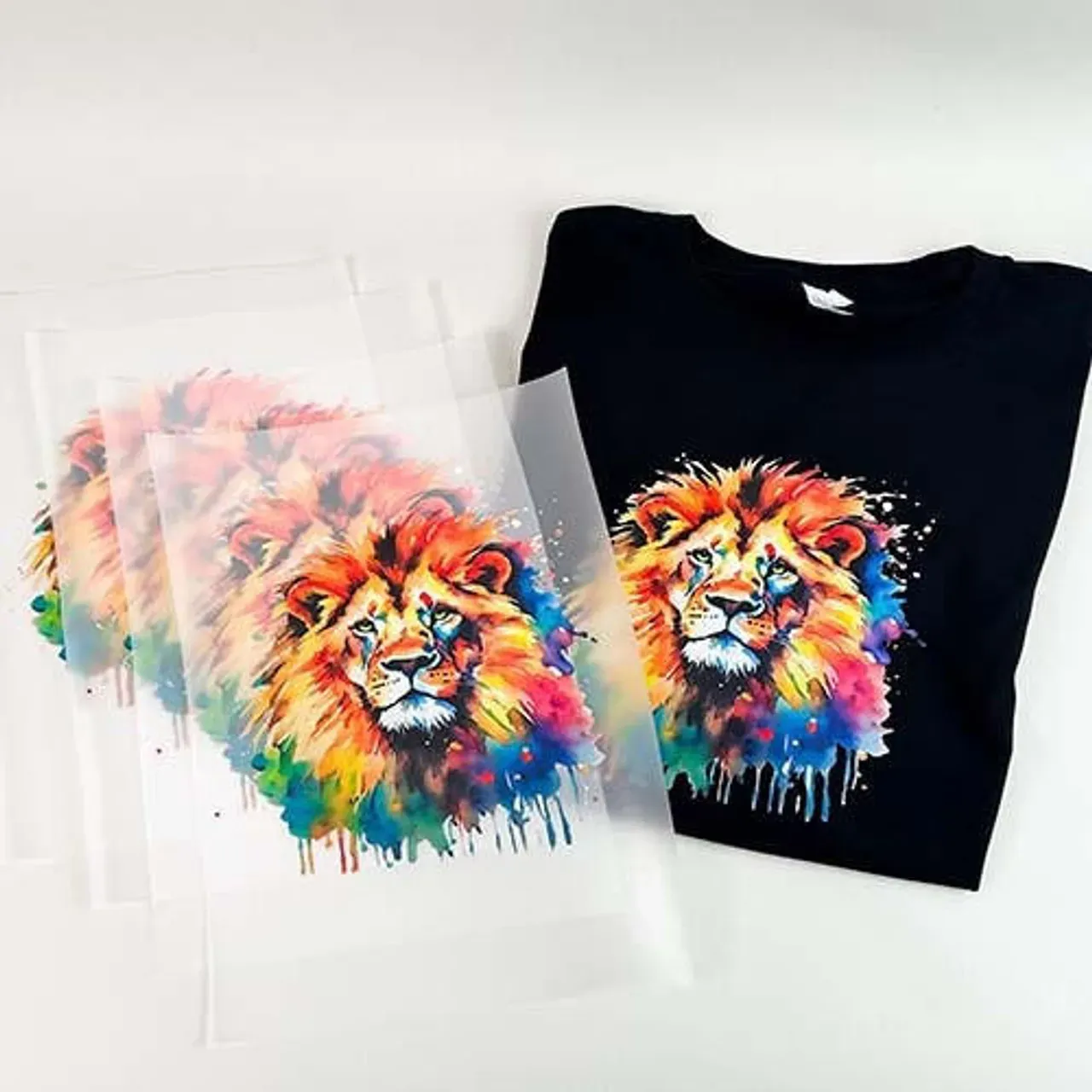
In the rapidly evolving world of custom apparel printing, **DTF transfers** (Direct-to-Film transfers) have become a game changer, offering unmatched versatility and quality. This innovative printing method allows for highly detailed designs that can be transferred onto a variety of fabrics, making it a favored choice among both hobbyists and professionals alike. With DTF printing, you'll enjoy vibrant colors and intricate graphics, all while eliminating the tedious weeding process often required in other printing methods. By utilizing advanced printers and specialized inks, DTF transfers can produce stunning results that elevate your custom apparel projects to new heights. Join us as we explore the ins and outs of the DTF transfer process, the substantial benefits it provides, and how you can harness the power of this exciting technique.
Known as Direct-to-Film printing in some circles, the DTF transfer process revolutionizes how designs are applied to textiles. This state-of-the-art technique ensures that prints boast rich, vivid colors and exceptional durability, making it perfect for creating custom apparel that stands out. By leveraging advanced transfer methods and high-quality printing equipment, users can generate intricate designs with ease. Whether you're a seasoned printing enthusiast or just beginning your journey, understanding this alternative printing approach opens up a world of creative possibilities in custom apparel design. Explore the numerous advantages of this modern technology and discover why it's quickly becoming a preferred printing solution.
Understanding the DTF Transfer Process
DTF transfers, or Direct-to-Film transfers, embody a revolutionary technique in the realm of custom apparel printing. The DTF transfer process begins with the creation of a digital design that is printed onto a specialized film using a DTF printer. This printer utilizes high-quality inks, delivering a vibrant and intricate output that can be transferred to fabric. Key to this process is the application of powdered adhesive on the printed film, which will ensure that the design adheres properly during the heat transfer stage.
After the design has been printed and adhesive applied, the film is subjected to heat from a heat press. This heat solidifies the bond between the design and the fabric, resulting in a durable and high-quality transfer. The beauty of this DTF transfer process lies in its simplicity and effectiveness, enabling even beginners to achieve professional results with the right equipment and practice.
Benefits of DTF Transfers for Custom Apparel
The benefits of DTF transfers in custom apparel printing are vast, making them an attractive option for businesses and hobbyists alike. One notable advantage is the superior print quality. DTF transfers boast vibrant colors and intricate designs that often surpass those produced by traditional methods, like Direct-to-Garment (DTG) printing. The combination of specialized inks and the DTF transfer process results in images that capture attention and stand out, ensuring that designs resonate with customers.
Additionally, DTF transfers are incredibly versatile in terms of fabric compatibility. Unlike some printing methods that are limited to certain materials, DTF printing can be used on a wide variety of fabrics, including cotton, polyester, and blends. This flexibility allows designers to explore different avenues and cater to varied customer preferences, ensuring an expansive range of apparel options without compromising on quality.
Cost-Effectiveness of DTF Printing
For small business owners and entrepreneurs looking to dive into custom apparel printing, DTF transfers prove to be a highly cost-effective solution. While the initial investment in DTF printing equipment may seem significant, the potential for long-term savings and profitability is substantial. The ability to print multiple designs on a single film sheet means businesses can maximize their output and reduce waste, leading to better profit margins.
Furthermore, DTF printing eliminates additional costs associated with weeding and other labor-intensive processes required by methods such as Heat Transfer Vinyl (HTV). This efficiency translates into reduced labor costs and faster production times, allowing print shops to swiftly fulfill customer orders and respond to market demands, thus enhancing overall business viability.
Essential Equipment for DTF Printing Success
To embark on a successful DTF printing journey, having the right equipment is critical. The heart of any DTF setup is a quality DTF printer, with models from reputable brands like Epson and Mimaki highly recommended. These printers are designed specifically for the DTF process, ensuring optimal compatibility with specialized inks and films.
In addition to a top-notch printer, a reliable heat press machine is essential for transferring designs onto fabric effectively. The temperature settings and pressure applied during the heat transfer process can significantly impact the final print quality, making it vital to invest in a heat press that meets the necessary specifications for DTF printing. Lastly, sourcing high-quality PET films and water-based inks will further enhance the quality of the prints produced.
DTF vs. Other Printing Methods
When comparing DTF printing to other popular methods, such as Direct-to-Garment (DTG) and Heat Transfer Vinyl (HTV), several distinct advantages emerge that make DTF a preferred choice for many. One of the key differentiators is the durability of DTF transfers. The inks used in DTF processes become embedded in the fabric itself, resulting in prints that are less likely to crack or fade over time compared to those produced with HTV.
Moreover, DTF printing simplifies the production process. The user-friendly nature of DTF eliminates the complexities of vinyl cutting and weeding, making it accessible even for beginners. This ease of use, combined with the efficiency and cost-effectiveness of the DTF system, positions it as a leading choice for custom apparel printing, especially for businesses looking to scale their operations.
Emerging Trends in DTF Printing
The DTF printing market is rapidly gaining momentum due to increasing demand for customized apparel, driven by evolving consumer preferences. Innovations in ink formulations and printer technologies are empowering businesses to achieve even greater print quality and efficiency. As manufacturers continually refine their offerings for better performance, the scope of DTF transfers is broadening, attracting more entrepreneurs and established brands alike.
Another exciting trend involves the integration of sustainable practices within DTF printing. As environmental concerns rise among consumers, more companies are seeking eco-friendly materials and processes. The water-based inks used in DTF transfers align well with these sustainability goals, making this printing method not only versatile and efficient but also environmentally responsible.
Frequently Asked Questions
What are DTF transfers and how do they work?
DTF transfers, or Direct-to-Film transfers, are a printing method where designs are printed onto a special film and then heat-pressed onto fabric. This process allows for high-quality, vibrant images that adhere well to various fabric types, making DTF ideal for custom apparel printing.
What are the benefits of using DTF printing for custom apparel?
The benefits of DTF printing include high-quality prints with vibrant colors, versatility with different fabrics, no weeding required, and cost-effectiveness for producing multiple designs simultaneously, which is ideal for small businesses.
How does the DTF transfer process differ from DTG and HTV methods?
DTF transfers differ from Direct-to-Garment (DTG) and Heat Transfer Vinyl (HTV) methods by offering better fabric compatibility, eliminating the need for weeding, and typically providing more durable prints that are embedded in the fabric.
What equipment do I need to get started with DTF transfers?
To start with DTF transfers, you will need a specialized DTF printer, a reliable heat press machine, and quality PET films and inks. Brands like Epson and Mimaki are recommended for their DTF-compatible printers.
Can DTF transfers be used on all types of fabrics?
Yes, DTF transfers are compatible with a wide range of fabric types, including cotton, polyester, and various blends, making them a versatile choice for different custom apparel projects.
What should I consider when choosing the best DTF printer for my needs?
When selecting the best DTF printer, consider factors such as print quality, compatibility with various inks and films, price, and overall customer reviews. Reputable brands like Epson and Mimaki are well-regarded for their DTF printers.
| Key Point | Description |
|---|---|
| What are DTF Transfers? | A printing technique where designs are printed onto a special film and then transferred to fabric using heat. |
| Benefits of DTF Transfers | Includes high-quality prints, versatile fabric compatibility, no weeding required, and cost-effectiveness. |
| Key Equipment Needed | DTF printer, heat press machine, PET films, and water-based inks are essential supplies. |
| The DTF Printing Process | Involves design creation, printing to film, applying adhesive, and heat transferring. |
| Comparison with Other Methods | DTF is noted for its durability, ease of use, and cost-efficiency compared to DTG and HTV. |
| Market Trends | Demand for DTF printing is rising with innovations improving quality and efficiency in the market. |
Summary
DTF transfers are revolutionizing the custom apparel printing industry by providing an innovative and versatile method for creating high-quality designs. This advanced printing technique allows users to produce vibrant prints on a multitude of fabric types without the intricacies associated with other transfer methods. As the popularity of DTF transfers continues to rise, it’s evident that both beginners and seasoned professionals can benefit significantly from adopting this approach, unlocking new creative possibilities in the world of personalized fashion.