
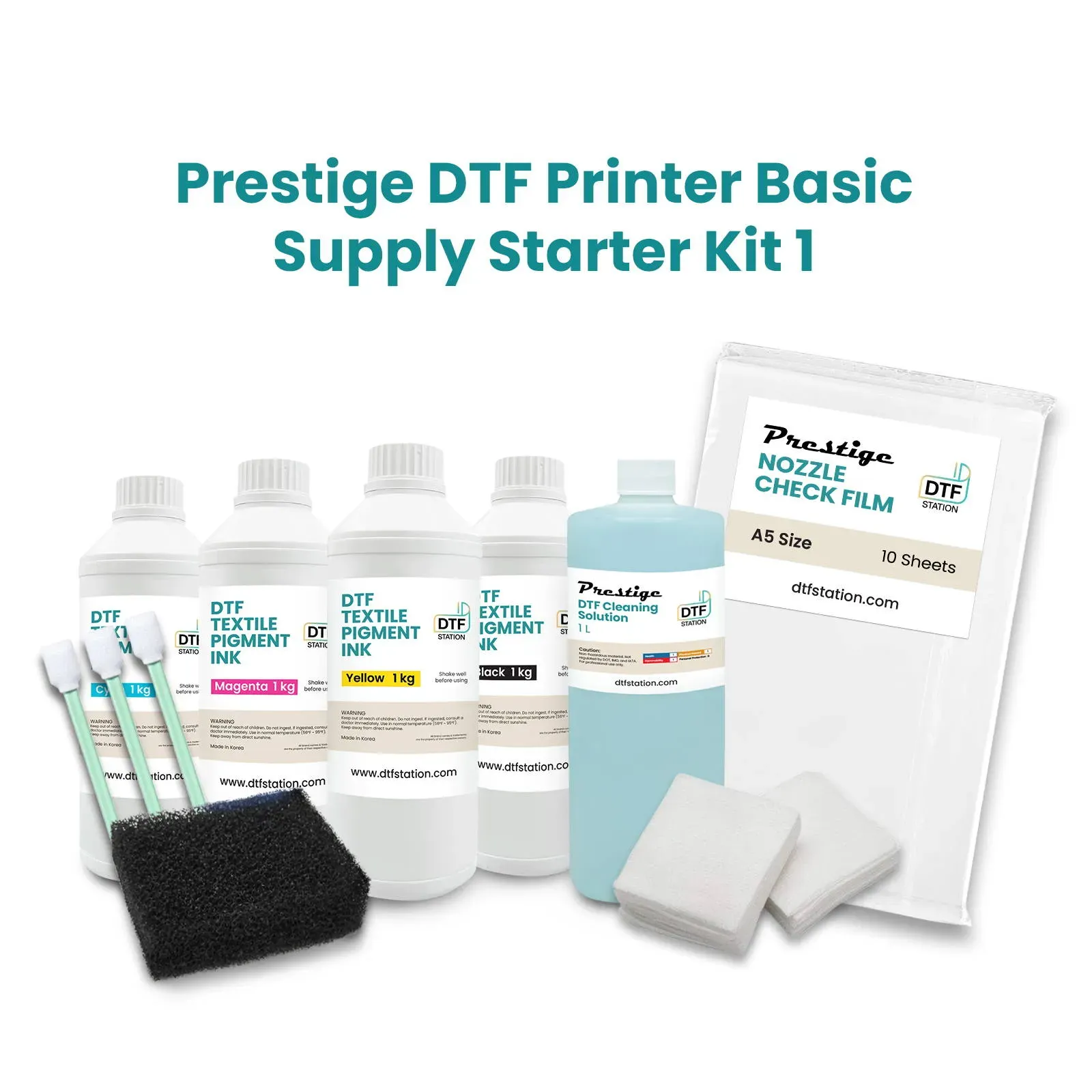
When it comes to ensuring success in the garment printing business, choosing the right DTF supplies is of paramount importance. Direct-to-Film printing has rapidly gained traction due to its remarkable efficiency and high-quality output, becoming a preferred choice among professionals. With the right DTF printing supplies in hand, you can achieve vibrant colors and durable designs that elevate your products to the next level. In this guide, we will delve into key factors to consider, including DTF film quality, printer selection, and sustainable DTF supplies, to help you make informed decisions. Understanding these elements will not only enhance your print results but also contribute to lasting customer satisfaction.
Exploring the essentials of Direct-to-Film printing requires an understanding of various components that contribute to its success. Selecting suitable materials and equipment is crucial in this innovative fabric transfer method, often termed DTF transfer supplies. By focusing on film quality, ink compatibility, and printer capabilities, businesses can optimize their production processes and deliver superior print results. Additionally, the industry is seeing a shift toward eco-conscious options, which allows creators to meet the growing demand for sustainable printing practices. Embracing these advancements is essential for staying competitive in today's dynamic printing landscape.
Understanding Direct to Film Printing
Direct to Film (DTF) printing is revolutionizing the garment decoration industry by offering an efficient and customizable approach to creating high-quality prints. Unlike traditional methods that can be labor-intensive and time-consuming, DTF printing involves directly printing designs onto a special film, which can then be transferred onto various fabrics. This process not only ensures vibrant colors but also delivers exceptional durability, making it an attractive option for businesses looking to elevate their apparel offerings.
At its core, DTF printing combines the advantages of screen printing and Direct to Garment (DTG) printing, allowing for intricate designs and multiple color applications without the need for color separation. Understanding these fundamentals is vital for professionals seeking to optimize their printing operations. As more businesses gravitate towards this technology, staying informed on relevant supplies, techniques, and market demands will enhance overall performance and customer satisfaction.
Choosing Quality DTF Films for Optimum Results
When it comes to DTF printing, the quality of the films used can make a significant difference in the final output. High-quality DTF films are essential for achieving clear, detailed images that adhere properly to fabric. Factors such as thickness, coating, and material composition influence how well the film transfers ink and the durability of the final product. Businesses should prioritize sourcing films from reputable suppliers who specialize in DTF technology to ensure the best results.
Investing in superior DTF films not only enhances the quality of prints but also reduces the likelihood of operational issues, such as ink bleeding or poor adhesion. To make an informed choice, consider requesting samples from selected suppliers to test compatibility with your existing printers and inks. Remember, the foundation of successful DTF printing begins with the right film; hence, conducting thorough research and testing can be invaluable.
Essential Ink Compatibility for DTF Printing
Selecting the right ink is crucial for ensuring high-quality DTF printing results. The ink you choose should be compatible with both your DTF printer and the films being used. Pigment inks are often favored for their vibrant colors, excellent washability, and resistance against fading. Brands like Epson and Roland have innovated inks specifically designed for DTF applications, emphasizing their reliability and quality. Always verify ink compatibility with your specific printer model to prevent potential printing mishaps.
Not all inks perform the same under various conditions, which is why understanding the properties of your selected ink will help in achieving the desired print quality. Testing different ink formulations on your chosen DTF films can yield insights into which combinations work best together. Prioritizing compatibility will streamline your workflow and enhance your overall product standards.
The Role of Adhesive Powder in DTF Printing
Adhesive powder is a critical component of the DTF printing process, as it ensures that the ink properly adheres to the fabric during the transfer phase. Different adhesive powders have unique properties, and selecting the right one can significantly impact the quality and longevity of the prints. It’s important to choose adhesive powders that are specifically formulated for use with your type of DTF films to maximize performance and avoid issues like peeling or fading.
Reputable suppliers often provide recommendations for adhesive powders based on extensive testing and customer feedback, making it easier for businesses to make informed choices. It’s wise to conduct small-scale tests with various powders before committing to larger quantities to find the best match for your printing needs. Investing in the right adhesive not only enhances product quality but also boosts customer satisfaction and repeat business.
Selecting the Ideal DTF Printer for Your Needs
The selection of a DTF printer plays a pivotal role in the success of your printing operation. DTF printers must be able to handle the specific requirements of the printing process, such as ink distribution and film compatibility. Brands like Epson are recognized for their reliable performance, offering models that cater to various sizes and production demands. When choosing a printer, consider key factors such as print speed, resolution, and cost efficiency.
Investing in a high-quality DTF printer not only enhances your production capabilities but also contributes to better print consistency and quality over time. Take the time to research different models, read customer reviews, and consider the features that align with your business goals. A well-chosen printer can streamline your production process and elevate the overall quality of your printed items.
Embracing Sustainable DTF Supplies in Your Operations
Sustainability is becoming increasingly important in the apparel industry, prompting many businesses to seek eco-friendly DTF supplies. This includes sourcing DTF films and inks that prioritize environmental sensitivity without compromising on quality or performance. Customers are now more aware of the environmental impacts of their purchases, so showcasing sustainable practices can enhance brand loyalty and appeal to a broader audience.
By investing in sustainable DTF supplies, businesses not only contribute to a healthier planet but can also leverage this commitment as a unique selling point. Suppliers are now offering a range of options that balance ecological responsibility with print excellence, allowing businesses to transition to greener practices seamlessly. Consider evaluating your current supply chain and explore opportunities for incorporating more sustainable materials into your DTF printing operations.
Frequently Asked Questions
What are the essential DTF supplies for beginners?
For beginners entering the Direct-to-Film (DTF) printing industry, essential supplies include high-quality DTF films, compatible pigment inks, adhesive powder, and a specialized DTF printer. These components work together to ensure vibrant colors and durable prints. Starting with reputable brands can significantly enhance your print quality and overall success.
How does DTF film quality impact printing results?
The quality of DTF films is crucial in the printing process, as it directly affects the transfer process and the final print quality. High-quality DTF films ensure better ink adherence, resulting in vivid colors and long-lasting prints. Investing in top-tier films can help avoid common issues like peeling or fading.
What should I consider when selecting DTF printing supplies?
When selecting DTF printing supplies, consider film quality, ink compatibility, adhesive powder efficacy, and printer selection. Each factor is essential to achieving optimal print results. Always test samples before bulk purchasing to ensure compatibility and quality that meets your business needs.
Are there sustainable DTF supplies available in the market?
Yes, there is a growing range of sustainable DTF supplies available today. Brands are increasingly offering eco-friendly DTF films and inks that do not compromise print quality, catering to environmentally conscious businesses. Choosing sustainable options can enhance your reputation and appeal to a broader customer base.
How do I choose the right DTF printer for my business?
Selecting the right DTF printer involves considering speed, printing size capabilities, and compatibility with DTF inks and films. Brands like Epson are favored for their performance in DTF applications. Ensure the printer meets your production needs, as a reliable printer can significantly impact efficiency and print quality.
What is the role of adhesive powder in DTF printing supplies?
Adhesive powder is vital in DTF printing as it ensures the ink adheres to the fabric during the transfer process. The right adhesive powder enhances the quality of the transfer and the durability of the print. Selecting an adhesive that works well with your chosen film and fabric type is crucial for successful DTF printing.
| Key Consideration | Details |
|---|---|
| Quality of Films | Invest in high-quality films specifically optimized for DTF printing to ensure top-notch transfer quality. |
| Ink Compatibility | Use pigment inks compatible with your printer and films for vibrant colors and durability. |
| Adhesive Powder | Choose the right adhesive powder that works well with your film for effective ink adhesion during transfer. |
| Printer Selection | Select a specialized printer that meets the demands of DTF printing for optimal performance and print quality. |
| Fabric Compatibility | Ensure supplies are compatible with the fabrics you plan to use, such as cotton and polyester. |
| Cost vs. Quality | Opt for higher-quality supplies even if they have a higher upfront cost for better long-term results. |
Summary
DTF supplies are integral to the success of businesses in the garment printing industry. Selecting the right materials not only enhances print quality but also ensures customer satisfaction and retention. By focusing on critical factors such as film quality, ink compatibility, and printer selection, businesses can streamline their printing processes and keep up with market trends. As the industry leans towards sustainability and embraces technological advancements, making informed choices about DTF supplies will allow your business to lead in a competitive market, ultimately improving profitability and consumer trust.