
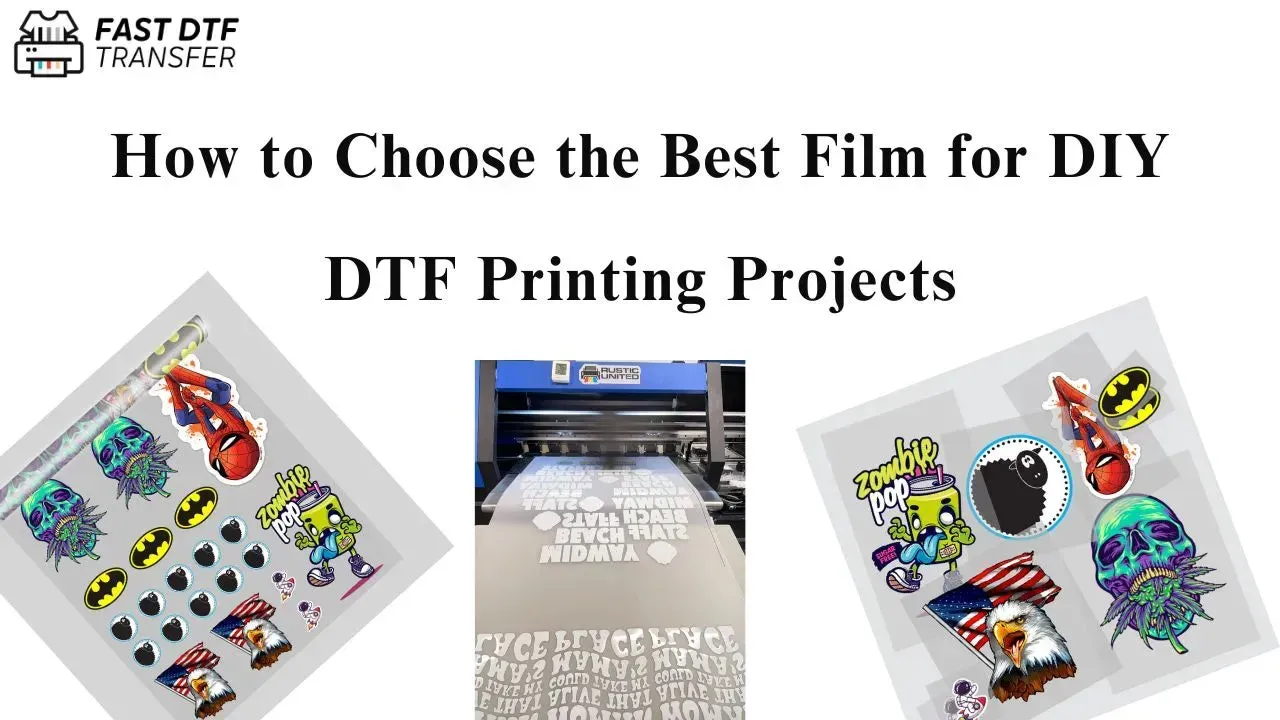
DIY DTF printing opens up affordable, hands-on opportunities for crafters and small shops to customize apparel from home. If you’re exploring DTF printing at home, this guide breaks down the essential DTF equipment list, practical DTF budget tips, and DTF safety guidelines to help you start confidently. You’ll learn about direct-to-film transfers, the required space, and the workflow that keeps powders, inks, and heat press steps orderly. By following clear safety practices and a simple equipment checklist, DIY DTF printing can be both enjoyable and commercially viable. From setup to first run, this descriptive overview helps you picture a practical at-home DTF project you can scale later.
DIY DTF Printing at Home: Setup Essentials and the DTF Equipment List
Starting a DIY DTF printing project at home means assembling a compact, repeatable workflow. The setup centers on a carefully chosen DTF equipment list that covers printers, films, inks, powders, curing devices, heat presses, and the software that ties it all together. With the right components, you can achieve vibrant colors and durable transfers right in a home studio. The term "DTF equipment list" isn’t about buying everything at once; it’s about mapping a minimal viable setup that scales with your goals, whether you’re producing small batches or one-off custom items. Defining space, power needs, ventilation, and a safe area to store powders and solvents is the practical first step.
In practice, your work area should accommodate a designated desk for design and RIP software, a printer with white ink capability, transfer film, release liners, a heat press, and a clear ventilation plan for powders. You’ll also need cleaning supplies, personal protective equipment, and a computer for designs. While model names vary, the principle remains: ensure inks, films, and curing devices work seamlessly with your printer and software to achieve reliable underbase and color layers. A thoughtful setup reduces waste, improves calibration, and helps you reproduce consistent results across different fabrics, aligning with the DIY DTF printing ethos.
DTF Budget Tips for a Smart DIY DTF Printing Setup
A practical budget plan starts with total cost awareness and staged purchases. DTF budget tips recommend identifying core components first—printer with white ink, heat press, and a reliable film-and-powder supply—and deferring optional automation until volume justifies it. Initial spend can range from a few hundred to several thousand dollars, depending on whether you buy a purpose-built DTF printer or adapt an existing machine. By prioritizing essential items and seeking bundles from reputable vendors, you can begin with a modest investment while preserving the option to upgrade later.
Ongoing costs need to be forecasted as well: consumables like films, powders, and inks, plus maintenance and occasional replacement parts. A simple budgeting approach tracks cost per transfer, allowing you to price items accurately and protect margins. If your workflow grows, consider how expanding heat press capacity or adding a dryer can reduce manual workload and improve throughput. These DTF budget tips help hobbyists and small shops stay financially sustainable while exploring Direct-to-film transfers.
DTF Equipment List: Building a Reliable Home Studio
Designing a home studio around a dependable DTF equipment list means choosing components that work well together and offer solid support. Start with a printer capable of white ink and film printing, then add DTF films and a compatible release liner. Stock both white and color inks suitable for your printer, along with adhesive powder and a curing device. The combination forms the core of your DTF workflow and ensures you can produce bright, durable designs on diverse fabrics. The emphasis on a coherent DTF equipment list helps minimize compatibility surprises and streamlines setup.
Beyond the core items, include a quality heat press with adjustable temperature and pressure, silicone release sheets, RIP software, and a clean, ventilated space. Don’t overlook maintenance gear and basic PPE, such as gloves and a mask for powder handling. A well-curated list also includes cleaning supplies and spare parts to reduce downtime. As you grow, you can layer in additional parts—second press, alternative films, or larger capacity curing tools—without overhauling your system.
DTF Safety Guidelines for Home Crafters
Safety should be the foundation of any home DTF project. DTF safety guidelines emphasize ventilation, protective gear, and careful handling of powders and solvents. Work in a well-ventilated area, ideally with a dedicated intake or exhaust, to minimize dust exposure and inhalation risk. Wear gloves when handling adhesive powders, a mask during powder processes, and eye protection when necessary. These practices help protect you and anyone sharing the workspace while preserving powder quality and equipment integrity.
Establish containment and cleaning routines to prevent cross-contamination and accidental exposure. Store powders and cleaning agents in sealed containers, keep the powder area closed when not in use, and clean spills promptly. Proper heat-source safety, like placing flammable items away from the press and respecting manufacturer temperature/time recommendations, adds another layer of protection. Finally, cultivate a habit of keeping children and pets out of the DIY DTF printing area to maintain a safe, controlled environment.
Direct-to-Film Transfers Demystified: From Design to Final Garment
Direct-to-film transfers are a multi-step process that begins with design decisions and color management. In practice, you create artwork, set up the underbase with the appropriate white layer, and plan color layers before printing on the transfer film. This step is central to the Direct-to-film transfer method, and it’s where calibration and RIP settings influence final vibrancy and texture. By mastering this sequence, you can predict how the design will transfer to fabric and adjust accordingly.
Next comes powder application, curing, and the heat transfer itself. Even, uniform curing helps the adhesive powder bond consistently, while the transfer press temperature and dwell time determine wash durability. With careful timing and temperature control, you can achieve durable results on cotton, blends, and performance fabrics. The flow remains similar across fabrics, but testing on each material helps you refine the process and minimize waste while delivering professional-looking Direct-to-film transfers.
Color, Consistency, and Workflow: Optimizing DTF with RIP Software
Color consistency in DIY DTF printing starts with robust RIP software integration and color management. A careful workflow uses calibrated profiles, color separations, and underbase planning to ensure vibrant outcomes on dark or light fabrics. This stage benefits from a thoughtful DTF equipment list and reliable printer hardware, because consistent color requires predictable outputs from the RIP and printer stage. The result is repeatable quality across runs and designs.
To sustain accuracy, invest in training for color management, maintain your equipment, and refine your test prints. Humidity, film quality, and powder behavior all influence color and adhesion, so routine checks help prevent drift. Regular maintenance of print heads and film paths, along with periodic firmware or software updates to the RIP, keeps your Direct-to-film transfers stable over time. A focused approach to workflow yields professional results in DIY DTF printing from home.
Frequently Asked Questions
What is DIY DTF printing, and how can I start at home (DTF printing at home)?
DIY DTF printing is a home-based method that uses a printer configured for white ink and film to create custom designs on fabrics. To start at home, you’ll need a suitable DTF printer, DTF films, white and color inks, adhesive powder, a powder cure device, a heat press, release sheets, RIP software, cleaning gear, PPE, a computer, and a clean workspace. Focus on establishing a reliable underbase and color layers to achieve strong results in DIY DTF printing at home.
What should be included in a DTF equipment list for DIY DTF printing (DTF equipment list)?
A practical DTF equipment list for DIY DTF printing includes a DTF printer with white ink, DTF films and liners, white and color inks, adhesive powder, a powder cure device or heat source, a heat press, silicone or Teflon sheets, RIP/color management software, cleaning supplies, PPE, a computer, and basic accessories like spatulas and tweezers. Having components that work together and are supported by manufacturer guidance helps ensure a repeatable workflow for DIY DTF printing.
What are practical DTF budget tips for a DIY DTF printing setup (DTF budget tips)?
DTF budget tips emphasize starting modestly, considering used or entry-level equipment, estimating ongoing consumables costs (inks, films, powder), calculating cost-per-transfer, and weighing automation against volume. Plan for periodic upgrades as your demand grows, and compare different film and powder brands to keep costs predictable while preserving quality.
What are the essential DTF safety guidelines to follow when doing DIY DTF printing at home (DTF safety guidelines)?
DTF safety guidelines for at-home setups include ensuring good ventilation, wearing gloves and a mask when handling powders, keeping powders contained and clean, following heat press safety with manufacturer-recommended temperatures and times, performing safe maintenance, and keeping the workspace away from children and pets to minimize exposure.
What are direct-to-film transfers in a DIY workflow, and how do they work?
Direct-to-film transfers involve printing designs on a special film, applying adhesive powder, curing the powder, and transferring the image to fabric with heat and pressure. In a DIY workflow this process supports small batches and a wide range of fabrics when you maintain proper timing, layering (underbase and color), and curing controls.
What are common challenges with DIY DTF printing at home and how can I troubleshoot?
Common challenges include color inconsistency, powder adhesion or clumping, imperfect curing, and fabric variability. Troubleshooting tips: calibrate color profiles and underbase coverage, ensure even powder distribution and proper curing temps/times, test on each fabric type, and perform regular printer maintenance to prevent head clogs and feed issues.
| Aspect | Key Points | Notes |
|---|---|---|
| Overview | DIY DTF printing enables home production of customized apparel and goods; a practical entry point for hobbyists and small shops. | |
| DTF Equipment List (core setup) | Printer with white ink capability, DTF films and liners, white and color inks, adhesive powder, powder cure device, heat press, silicone/Teflon sheets, RIP software, cleaning and PPE, computer, basic design tools. | |
| Budget Planning | Start-up costs typically range from hundreds to thousands; ongoing consumables and cost-per-transfer; automation vs manual workflow. | Example: Entry DIY kits around $800–$2,000; production kits $2,000–$5,000+. |
| Safety Guidelines | Ventilation, PPE, containment, fire safety, maintenance, and workspace setup to minimize exposure to powders and solvents. | |
| DIY Workflow (Design to Transfer) | Step-by-step process: design/color management, film handling, powder application, curing, transfer setup, heat press, peel/post-processing. | |
| Quality & Tips | Calibrate printer and profiles; balance white underbase; test on fabrics; manage humidity; regular maintenance. | |
| Common Challenges | Color accuracy, powder clumping, adhesion, wash durability, and printer head maintenance. | |
| Maintenance & Upgrades | Expand with better printer, larger heat press, more films/powders, improved RIP, dedicated workspace. | |
| Direct-to-Film Transfers | Overview of the transfer process and its versatility across fabrics; benefits for small batches and customization. |
Summary
DIY DTF printing at home offers a practical, scalable path to custom apparel, combining creativity with controlled costs. This overview summarizes the essentials: a core equipment list to build a reliable workflow, strategic budgeting to manage upfront and ongoing costs, safety guidelines to protect makers, and a clear, repeatable process from design to transfer. By planning, testing, and iterating, hobbyists and small businesses can achieve consistent results with Direct-to-Film transfers while maintaining quality, safety, and cost discipline. For those starting out, take it slow, document results, and expand as confidence grows, turning a modest space into a productive studio for vibrant, durable designs through DIY DTF printing.