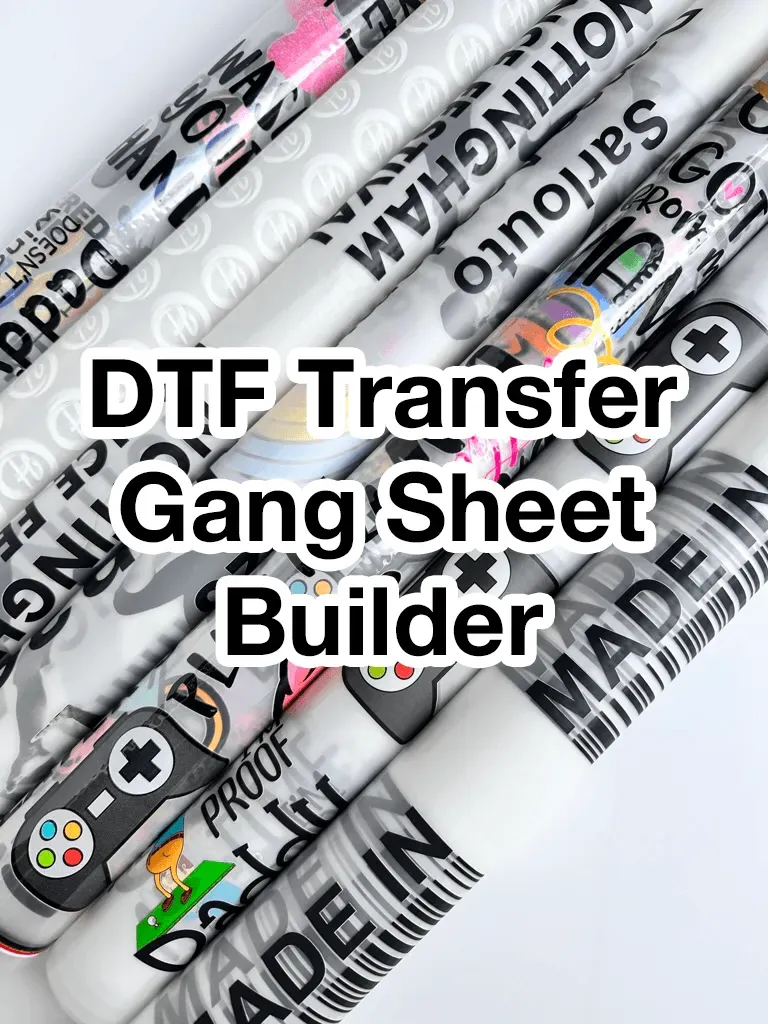
DTF Gangsheet Builder makes it easy for newcomers to dive into direct-to-film printing, turning complex layouts into a clear, repeatable process. As a beginner, you’ll appreciate how it organizes multiple designs on a single sheet, turning gang sheets into an efficient workflow. This tool supports your DTF printing journey by simplifying layout, bleed, and color management, essential steps in any DTF beginner guide. By reducing setup time and waste, it aligns with DTF workflow optimization principles you’ll hear about in tutorials and forums. Whether you’re testing new designs or scaling production, this builder helps you plan, preview, and execute high-quality transfers with confidence.
For developers exploring direct-to-film workflows, a gang-sheet design tool—sometimes called a multi-design sheet planner or a print layout optimizer—offers a similar advantage. These alternatives help you arrange several designs on one pass, maximizing garment coverage while keeping color integrity intact. By framing the process as a scalable pipeline from design to transfer, this type of software guides beginners through alignment, bleed planning, and color separation just as effectively as the dedicated builder. As you gain experience, you can switch between terms—layout software, sheet-layout utility, or DTF workflow accelerator—without losing sight of the same practical benefits: speed, consistency, and waste reduction.
DTF Gangsheet Builder: Quick Start for Beginners
As you begin your DTF printing journey, a DTF Gangsheet Builder is your fastest route from concept to production. It helps you arrange multiple designs on a single print sheet, preserving color integrity while maximizing garment coverage. For beginners, this tool serves as a practical entry point in the DTF beginner guide, reducing guesswork and translating artwork into repeatable gang sheet layouts that align with printer margins and bleed requirements. In DTF printing, planning ahead lowers setup time, reduces misprints, and gives you a clear plan for color layering and transfer.
Start with a simple set of designs, import them into the builder, and enable gridlines and alignment guides. Define your sheet size to match your printer’s capabilities, then place each design with appropriate spacing and bleed. Export a print-ready file with a standard color profile, load your media, and run a test print to verify alignment on a scrap garment. With a few iterations, you’ll get faster at stacking designs while maintaining color balance across gang sheets.
Planning Efficient Gang Sheets for DTF Printing Success
Effective gang sheet planning starts before you touch the printer. Create an inventory of designs, group by color family, and map out how many should fit on a sheet. Consider margins, bleeds, and alignment marks early so that you can preserve transfer accuracy and minimize misalignment. This planning phase also supports DTF workflow optimization by establishing a repeatable sequence—from design assembly to color separation and final output.
Thinking in terms of material efficiency and throughput helps you choose the right sheet size and layout. When you plan for practical constraints like underbase areas, white ink coverage, and garment sizes, you reduce waste and improve color consistency across transfers. Align your planning with simple metrics for yield per sheet and setup time to accelerate your DTF printing projects and deliver faster results for customers or personal projects.
Mastering Color Management on a DTF Gangsheet Builder
Color management is the heartbeat of successful DTF printing. Use the gang sheet builder to plan color layers, assign separations, and preview how each design will appear after the white underbase builds color on light fabrics. Stay mindful of color profiles, soft proofing, and calibration to ensure consistent vibrancy across designs, regardless of fabric differences. This disciplined approach helps you avoid muddy tones and ensures faithful reproduction from screen to substrate in your DTF printing workflow.
To maintain uniformity, convert designs to vector or high-resolution raster formats, lock in the same color space, and test print a small area before committing to full sheets. Regular soft proofs let you compare expected output with actual proof, letting you catch shifts in brightness or hue early. With deliberate color management, your gang sheets will look cohesive even when combining designs with varying saturation or edge details.
Practical Setup: Gridlines, Alignment, and Alignment Marks
The practical setup focuses on reliable geometry. In the DTF Gangsheet Builder, enable gridlines and alignment guides to position designs with precision, and place alignment marks that survive printing and curing. Margin and bleed settings should reflect your printer’s capabilities, so designs don’t drift or print off the sheet. A well-configured workspace reduces guesswork and supports steady output across multiple transfers per run.
During export, verify that alignment marks are present and that bleed areas are consistent around each design. When you print, perform a quick check on a test sheet to confirm that margins stay fixed and that the designs land where intended on the garment. This setup discipline speeds up production and builds confidence as you scale to more complex gang sheets.
From Design to Transfer: A Step-by-Step DTF Workflow
Turning designs into finished transfers follows a straightforward workflow: design procurement, layout in the builder, export with the correct color profile, print, cure, and transfer. This loop—often called DTF workflow optimization—emphasizes repeatable steps and precise timing for powder adherence and heat curing. By following a consistent sequence, you reduce errors and improve overall yield per sheet while maintaining transfer quality across your entire lineup.
During troubleshooting, pay attention to alignment, color shifts, and underbase coverage. If a design misaligns, adjust the placement in the builder and re-export. If colors clash between designs on the same sheet, recalibrate color spaces or swap color layers, then test again. A robust workflow turns occasional mistakes into learning opportunities that refine future gang sheets and keep your commissions or projects on schedule.
Scaling Up: Advanced Tips for Efficient DTF Gang Sheets
As you grow, batch processing, automation features, and design clustering become powerful productivity boosters. Create several gang sheets with related themes to maximize multi-design transfers per batch while minimizing ink changes and printer head movements. Implement quick QC routines, and keep a simple log of each sheet’s performance to compare outcomes across sessions.
Advanced tips also include file management practices like version control, organized naming conventions, and archived templates. When your library expands, automation can place designs within defined margins and preserve bleed constraints, freeing you to focus on design exploration. With a disciplined approach to scaling, you’ll maintain color fidelity, reduce waste, and steadily increase output without sacrificing quality.
Frequently Asked Questions
What is the DTF Gangsheet Builder and why is it essential for beginners in DTF printing?
The DTF Gangsheet Builder is software or a structured workflow that arranges multiple designs on a single print sheet before sending it to your DTF printer. It boosts throughput, reduces material waste, and helps manage color and layout, supporting DTF workflow optimization and making gang sheets approachable for a DTF beginner guide.
Can I rely on a generic printer for gang sheets when using the DTF Gangsheet Builder, or do I need specialized tools for DTF printing?
You can use a standard printer within its media size and color capabilities, but the DTF Gangsheet Builder guides layout, margins, and color planning to produce consistent gang sheets for DTF printing. Remember the basics of DTF printing, including white underbase and adhesive powder, for reliable results.
How do I start a first gang sheet with the DTF Gangsheet Builder?
Start by gathering designs, choosing a sheet size, then import designs into the DTF Gangsheet Builder. Enable gridlines and alignment guides, set bleed and margins, place alignment marks, assign color layers, preview with soft proofing, and export to a print-ready file using your printer’s color profile.
How should I handle color management and alignment when using the DTF Gangsheet Builder?
Use printer color profiles and soft proofing to maintain consistent color across designs, calibrate your setup regularly, and place alignment marks to ensure accurate transfers. Plan the white underbase and color separation carefully to preserve fidelity in DTF printing.
How many designs should I place on a gang sheet when starting with the DTF Gangsheet Builder?
Begin with 3–6 designs per gang sheet to learn layout and alignment, then scale up as you gain confidence while maintaining clean margins and proper bleed.
What common mistakes should beginners avoid with the DTF Gangsheet Builder, and how can I prevent them?
Avoid poor alignment, inconsistent color, and insufficient margins or bleed. Use alignment guides, check color profiles with soft proofing, verify bleed, and test print sheets to refine layouts for reliable DTF transfers.
| Topic | Key Points | Notes |
|---|---|---|
| What is a DTF Gangsheet Builder? |
|
Beginner-friendly and scalable. |
| Why gang sheets matter in DTF printing? |
|
Especially helpful for small businesses and hobbyists. |
| Core concepts to master |
|
Foundation for reliable results. |
| Planning your gangsheet layout |
|
A thorough plan reduces errors. |
| Step-by-step Quick Start with a DTF Gangsheet Builder |
|
Follow steps in the builder and adjust as needed. |
| Best practices for beginners |
|
Build consistency over time. |
Summary
DTF Gangsheet Builder is a practical, beginner-friendly tool that helps you plan, layout, and optimize multi-design prints on a single sheet. In DTF printing, using gang sheets with a well-designed builder improves throughput, reduces waste, and helps maintain color accuracy across designs. This approach aligns with effective DTF workflow optimization, enabling you to scale production while preserving transfer quality. Whether you’re just starting out or expanding a small business, embracing the DTF Gangsheet Builder can streamline your process, empower consistent results, and accelerate your path to high-quality, repeatable DTF transfers.