
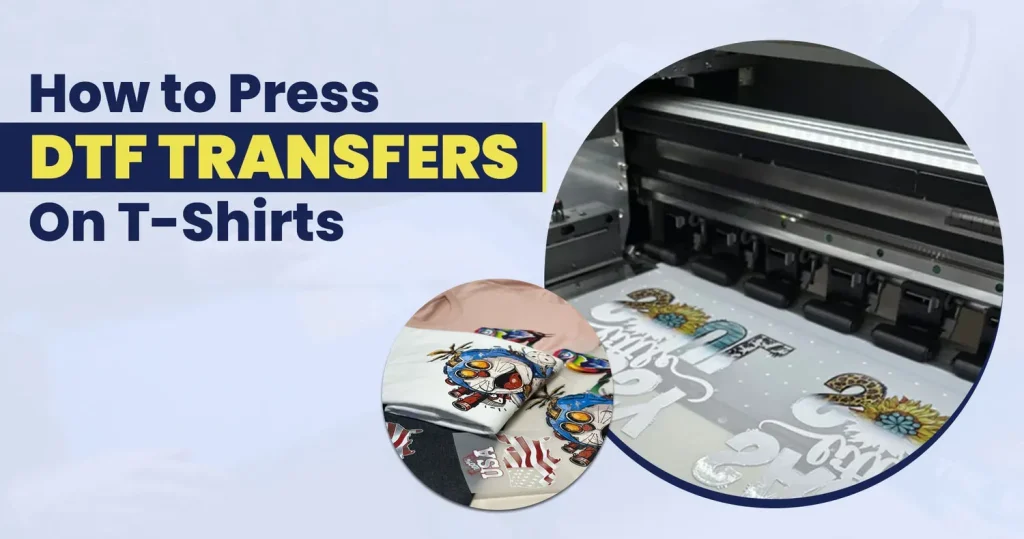
DTF Transfers offer a flexible, cost-conscious path for small clothing brands to scale printing without the heavy upfront investments common with traditional methods. As a form of direct-to-film printing, they deliver vibrant colors, durable textures, and the ability to run on-demand in smaller batches. Understanding direct-to-film printing costs helps brands forecast margins, price competitively, and determine when DTF transfers setup is the smarter option. For small business clothing brands, the appeal lies in lower minimums, faster setup, and on-demand production across fabrics like cotton, blends, and polyester. This guide outlines the ROI for apparel brands when adopting DTF printing for your line.
In practice, this approach is best described as a film-based transfer method that decouples design from traditional screen setups. The method supports on-demand and short-run apparel decoration, allowing brands to test ideas quickly without tying up capital in large runs. Key factors like color fidelity, wash durability, and edge sharpness hinge on precise heat-press timing, proper pre-press, and careful film handling. As you validate proofs of concept, you’ll see margins improve, reinforcing the ROI for apparel brands as you scale from pilots to a full line.
DTF Transfers for Small Business Clothing Brands: Why They Matter
DTF Transfers, short for direct-to-film transfers, offer a flexible printing option that fits the needs of small business clothing brands aiming to scale without heavy upfront commitments. By printing designs onto a film and transferring them with a heat press, brands can achieve vivid color, sharp detail, and strong durability across a wide range of fabrics. This approach works particularly well for limited runs, on-demand drops, and seasonal collections, where traditional screen printing would require large minimums and complex setup. For small brands, the real value lies in reducing risk while expanding design possibilities.
The practical impact of DTF Transfers on small business clothing brands goes beyond cost per unit. They enable faster design iteration, easier proofs, and quick market testing, helping you validate concepts without tying up inventory. As trends shift, you can adjust offerings rapidly, launch limited-edition lines, and maintain fresh catalogs that attract new customers while keeping production lean and responsive.
Cost Considerations: Direct-to-Film Printing Costs and Budgeting
Understanding direct-to-film printing costs is essential for budgeting and pricing decisions. Upfront investments cover essential equipment such as a DTF printer, heat press, curing or drying equipment, and a starter consumables kit. Per-unit costs come from films, inks, powders, and energy usage, with variability based on fabric type and design complexity. By separating capital expenditure from ongoing material costs, brands can model unit economics more accurately and set price points that maintain healthy margins.
For many small brands, a practical budgeting approach combines on-demand printing with controlled batch sizes to prevent waste and reduce cash flow spikes. Regularly renegotiating supplier pricing for powders, films, and inks, coupled with careful design planning (fewer colors or reusable color libraries), helps optimize overall costs. When you track both direct-to-film printing costs and throughput, you can forecast ROI more reliably and adjust production schedules to align with demand.
DTF Transfers Setup: Equipment, Software, and Workflow Essentials
Getting DTF Transfers up and running requires a clearly defined setup that suits the scale of your operation. Essential components include a reliable DTF printer, a compatible heat press, curing/drying equipment, and a complete supply kit. Software and RIP configurations play a critical role in color matching, file preparation, and print alignment. A thoughtful investment in the right combination of hardware and software sets the foundation for consistent results and scalable production.
A streamlined DTF Transfers setup also demands a repeatable workflow. Establish standardized file preparation practices, routine calibration across common fabrics (cotton, blends, polyester), and documented press parameters. Regular testing with representative garments helps verify color accuracy, white underbase opacity, and wash durability. By documenting steps and quality checks, small teams can maintain reliability as production volume grows.
ROI for Apparel Brands: Projecting Profit with DTF Transfers
ROI for apparel brands becomes a guiding metric when you compare per-unit costs to selling prices and assess labor, overhead, and depreciation. DTF transfers can deliver healthy margins, especially on on-demand or low-inventory models where waste is minimized and design experimentation is incentivized. A simple ROI lens considers the transfer material cost, labor time, and the price you command at market, then subtracts fixed costs to reveal monthly profitability.
To illustrate, consider steady moderate volume with transparent costs and efficient workflows. As monthly units climb and per-unit expenditures remain controlled through supplier pricing and reduced color counts, ROI improves even before factoring growth in new product lines or add-ons. This dynamic makes DTF transfers a compelling choice for ROI-focused apparel brands seeking flexibility, speed, and scalable profitability.
Design, Color, and Fabric Considerations for Consistent DTF Results
Design feasibility and color accuracy hinge on thoughtful color management and fabric compatibility. White underbase on dark fabrics, proper color profiles, and calibrated densities ensure vibrant results that hold up to washing. For small business clothing brands, creating a library of standard colorways and underbase configurations can streamline proofs and production, reducing rework and shortening lead times.
Fabric choice matters: cotton and cotton blends typically respond well to DTF transfers, while synthetics may require adjusted heat, timing, or pretreatment. Testing on representative fabrics helps anticipate edge cases, such as edge reinforcement or gradient reproduction. By aligning design intent with material behavior, brands improve print durability, maintain color consistency across batches, and protect customer trust.
Scaling with DTF: Turnaround, On-Demand Production, and Growth Scenarios
DTF transfers empower on-demand production and faster turnarounds, which are especially valuable for small business clothing brands aiming to stay current with fashion cycles. Since minimums are lower and setup is quicker than traditional screen print, brands can release new designs more frequently, respond to market trends, and test concepts without tying up working capital in finished goods.
Growth scenarios with DTF transfers range from steady, moderate expansion to rapid, trend-driven pivots. As monthly volume increases, you can optimize stock levels, negotiate better consumable pricing, and expand product lines with limited editions or region-specific drops. A disciplined focus on design testing, color management, and workflow efficiency will help ensure that scaling yields consistent quality, faster turnaround, and stronger ROI for apparel brands.
Frequently Asked Questions
DTF Transfers: What are they and how do they affect direct-to-film printing costs for small business clothing brands?
DTF Transfers involve printing designs on a special film, applying an adhesive powder, and transferring the image to fabric with a heat press. For small business clothing brands, understanding direct-to-film printing costs helps price products and protect margins. Typical upfront equipment costs range from about $4,000 to $15,000+, while per-transfer costs commonly run roughly $0.50–$2.50 depending on design complexity and fabric.
DTF transfers setup: What are the essential steps to get DTF transfers up and running for small brands?
Begin by defining print scope (sizes, colors, fabrics) and selecting a compatible printer and software. Prepare high-resolution design files with clear color channels, calibrate the system on typical garment materials, and establish a standardized transfer workflow (print, cure, press). Test wear and wash durability before scaling, and document procedures to maintain consistency as you grow.
What is the ROI for apparel brands when adopting DTF transfers?
ROI for apparel brands using DTF transfers comes from balancing per-unit costs with selling price and efficiency. Use a simple monthly model: higher unit volumes and stable material costs improve margins. For example, at 150–300 monthly units with solid margins and controlled costs, net profit rises as you optimize supplier pricing and add high-margin add-ons, making DTF transfers increasingly profitable over time.
How do direct-to-film printing costs vary for small business clothing brands across different designs?
Direct-to-film printing costs depend on fabric type, design complexity, and color count. Per-transfer material costs typically range from $0.50 to $2.50, with higher costs for dark fabrics requiring more white underbases or extra curing. Complex, multi-color designs or premium fabrics will push costs higher, so pricing should account for these variables to protect margins.
Is DTF transfers a viable alternative for small business clothing brands compared to screen printing?
DTF transfers offer lower minimums, faster setup, and strong on-demand flexibility, which can be ideal for small business clothing brands. While costs per unit may be higher for very large runs, the ability to pilot designs quickly, shorten lead times, and scale with demand often makes DTF transfers a favorable alternative to traditional screen printing for small batches.
What best practices help ensure a successful DTF transfers setup for small brands?
Prioritize a solid testing phase with pilots across your key product lines, invest in quality films and powders for durability, build a color library for faster proofs, use clear product labeling about the transfer method, plan for scalability from the start, and maintain reliable equipment through routine maintenance and calibration to ensure consistent results.
| Key Point | Summary |
|---|---|
| What are DTF Transfers | Direct-to-film transfers involve printing designs on a special film with water-based or pigment inks, applying a powdered adhesive, and transferring the image to fabric with a heat press. They offer vibrant color, good detail, and work across cotton, blends, and polyester, with lower minimums and faster setup for small brands. |
| Why they matter for small brands | Lower minimums, faster setup, on-demand or small-batch production, and broad fabric compatibility make DTF appealing for small business clothing brands seeking flexibility and quick turnaround. |
| Upfront costs | Entry-level setups typically range from about $4,000 to $15,000 (printer, heat press, dryer, and supplies). Higher-end printers can push costs higher. |
| Per-transfer costs and maintenance | Consumables per transfer generally run $0.50–$2.50 for standard designs; maintenance (printheads, rollers) adds ongoing costs but is manageable for small teams. |
| Pricing and ROI considerations | For typical T‑shirts sold at $18–$28, a per-unit cost of $1–$2 can yield healthy margins, especially with on-demand or small-batch production. ROI improves with volume and better supplier pricing. |
| Setup steps | Define requirements, choose printer/software, prepare design files, calibrate, optimize the transfer process, test wear/durability, and build a clean workflow. |
| Design and product considerations | DTF is strong for intricate, multi-color designs and gradients. White underbase improves opacity on dark fabrics; manage color consistently across fabrics; plan labeling and branding for scalability. |
| ROI and growth scenarios | Scenarios show how monthly units and margins affect profit. Example: moderate growth with 300 units at $22 each and $1.50 material cost yields meaningful net profit; on-demand models reduce inventory risk while maintaining margins. |
| Best practices | Pilot testing, durable materials, a color library, clear labeling, scalability planning, and reliability-focused processes to maintain color and texture consistency. |
| Common pitfalls | Issues like uneven color, misregistration, and adhesion problems can arise. Mitigate with regular calibration, proper pressing technique, fabric compatibility testing, equipment maintenance, and customer feedback loops. |
Summary
This table highlights the key points about DTF Transfers, covering cost ranges, setup considerations, and ROI implications for small brands.

