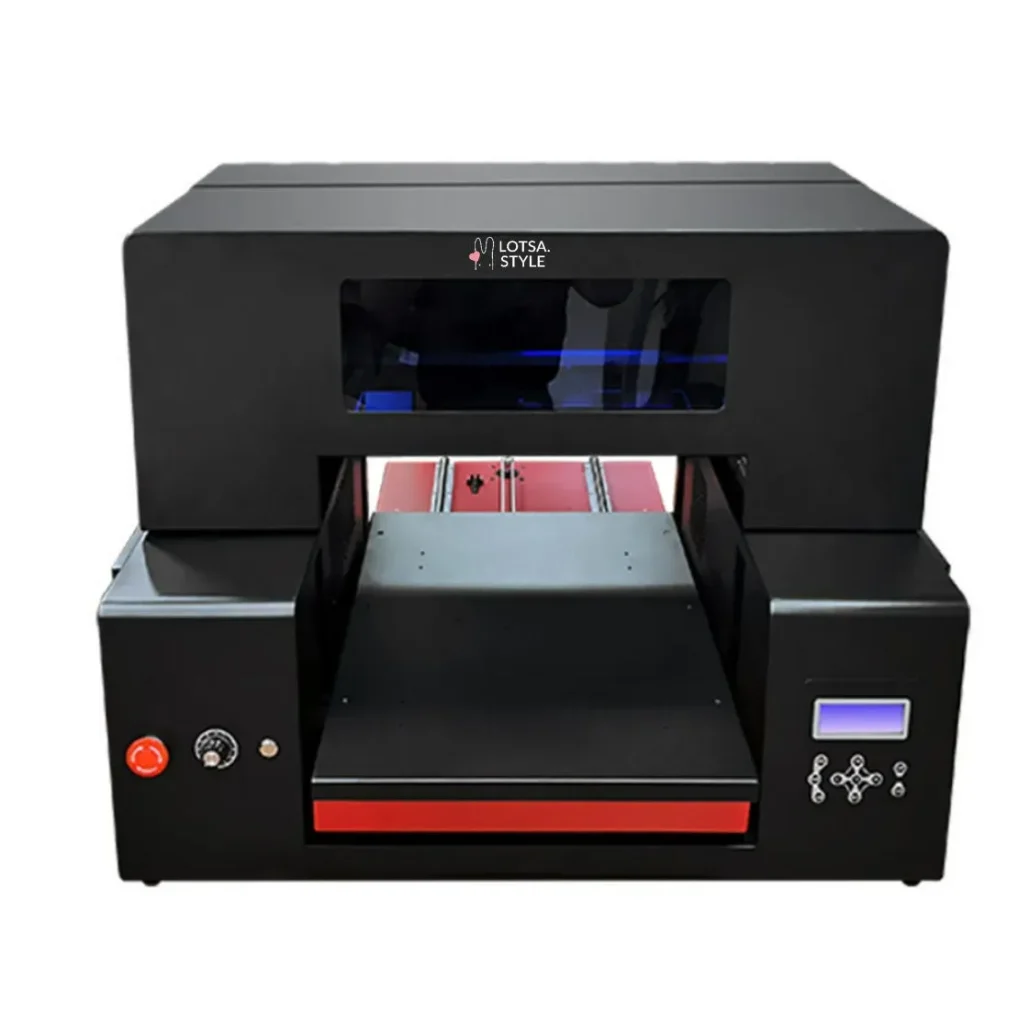
If you are evaluating a UV DTF printer in 2025, this buying guide helps you pick a model that fits your workflow and budget while delivering vibrant color, reliable adhesion, and consistent uptime across textiles, vinyl, hard surfaces, and even curved or irregular substrates that challenge other transfer methods; whether you run a boutique apparel studio, a promotional print shop, or a mid-size production line, the right device will integrate with your RIP software, ink management routines, and post-processing steps to reduce bottlenecks and minimize waste. The market has grown from compact desktop units to robust industrial transfer devices, giving shops the choice between agile small-batch machines and production-ready systems that can handle high-volume runs, as manufacturers respond to demand from fashion houses, promo teams, and contract printers seeking faster turnarounds, higher color fidelity on difficult fabrics, and lower overall operating costs through reduced waste and faster curing. This guide explains what UV DTF printing is in practical terms: the workflow involves printing ultraviolet-cured inks onto a transfer film, followed by heat and pressure to transfer the image onto textiles or hard surfaces, and then additional finishing steps such as post-press inspection, trimming, and quality checks to ensure edge fidelity; the approach offers fast curing, immediate handling, strong adhesion, and compatibility with a wide range of media—from cottons and blends to synthetics and coated substrates—while also requiring ongoing ink costs, routine maintenance, regular nozzle checks, and a dependable curing lamp system to ensure consistent results across shifts and media types. You’ll also learn to evaluate color gamut and print quality, the importance of white ink for dark fabrics, and how to assess durability under repeated washing, flexing, and exposure to sunlight, along with practical tips for estimating throughput, ink consumption, maintenance downtime, nozzle life, and the impact of shop layout, ventilation, and operator training on overall efficiency and quality consistency. By the end you will know how to select a UV DTF printer price that aligns with your application, print volume, and service expectations, so you can maximize returns with durable, vibrant transfers, and build a robust plan for training, maintenance, and future upgrades that protect your investment, including evaluating vendor support, firmware update cycles, and the potential for future media and ink transitions as your business evolves.
Looking beyond the label, this technology is best understood as a digital textile transfer process that uses UV-curable inks printed onto a carrier film, then affixed to fabrics and other substrates with heat and pressure. In industry discussions you may see terms such as UV-curable ink transfers, print-on-film workflows, or film-to-fabric processes, all of which describe the same core idea within the broader family of digital textile printing. Key performance factors include color accuracy, adhesion strength, wash-fastness, media compatibility, and the efficiency of the curing system, as well as the overall ecosystem of software, RIPs, and service support that keeps production lines running.
Understanding the 2025 UV DTF Landscape: From Desktop to Industrial
The UV DTF printer market in 2025 has evolved from compact desktop units to rugged, industrial-grade machines designed for high-volume production. This expansion gives print shops, apparel brands, and promotional studios a wider range of capabilities, from quick-turn samples to durable, large‑format transfers. When evaluating options, it helps to map your workflow, target materials, and daily run rates to the hardware on offer, ensuring you don’t overpay for underutilized capabilities or miss features needed for growth.
If you are aiming for the best UV DTF printer 2025, you’ll consider factors such as print quality, adhesion strength, and total cost of ownership in light of your specific use cases. The landscape now includes both compact desktop units and industrial UV DTF printers, so choosing the right model means balancing upfront cost, maintenance requirements, and after-sales support against your production goals and service expectations.
UV DTF vs UV Direct-to-Film: How the Workflows Differ
UV DTF printing and UV direct-to-film share a common goal—durable transfers—but their workflows diverge in film handling, curing sequence, and final transfer steps. UV DTF typically cures the image on a transfer film before it is applied to fabric or substrate, improving color accuracy and transfer reliability across multiple materials. This distinction can translate into steadier color reproduction, easier handling, and reduced waste over time.
Understanding UV DTF vs UV direct-to-film helps shops optimize throughput and maintenance. For teams upgrading older direct-to-film systems, the UV DTF route can mean different consumables, cleaning routines, and head wear patterns. Once you factor in ink chemistry, film quality, and curing requirements, you’ll see how the two approaches affect run costs, downtime, and the consistency of results on light and dark fabrics.
How to Choose a UV DTF Printer: A Step-by-Step Framework
Choosing a UV DTF printer starts with your application profile: what you print, on which materials, and at what volume. Start by outlining the primary applications— textiles such as t‑shirts or bags, versus hard surfaces like phone cases or signage—then estimate daily run rates and peak loads. This framework aligns the decision with expected throughput, print quality, and the robustness of service and spare parts channels.
As you walk through the selection process, incorporate practical questions about the total cost of ownership and the availability of support. Ask vendors about UV DTF printer price ranges, ink consumption, maintenance cycles, and upgrade paths. A clear comparison based on price, reliability, and service helps you avoid overpaying for capability you won’t use while ensuring you can scale as demand grows.
Evaluating UV DTF Printer Price and Total Cost of Ownership
Price is only the first lens through which to view a UV DTF printer. When budgeting, consider consumables like inks, white layers, and maintenance parts, as well as power use and downtime. A lower sticker price may come with higher ongoing costs, so it’s essential to model ink yield, media costs, and potential repairs over the expected life of the machine.
To compare options meaningfully, phrase your inquiry around the total cost of ownership. Gather data on UV DTF printer price bands for desktop versus industrial models, then project annual ink consumption, service contracts, and replacement head costs. The best choice balances upfront affordability with predictable ongoing costs and reliable upgrades that extend machine life.
Industrial UV DTF Printer: Features, Throughput, and Reliability
Industrial UV DTF printers are built for high-volume production, with larger media handling, higher uptime, and more durable components. In this tier, you’ll encounter robust print heads, efficient UV LED curing, and streamlined maintenance schedules designed to minimize downtime. For brands with consistent run rates, an industrial UV DTF printer can deliver steady color, strong adhesion, and repeatable results across fabrics, films, and rigid substrates.
Key reliability aspects—such as head uptime, redundant paths for maintenance, and access to responsive service—become critical at scale. When evaluating industrial options, consider the vendor’s service coverage, spare parts availability, firmware support, and upgrade opportunities. A well-supported industrial system reduces risk and keeps production lines flowing, which is essential for maintaining lead times and customer satisfaction.
Testing for Quality and Longevity: From Sample Runs to Long-Term Support
A disciplined testing process helps you separate good looks from dependable performance. Request sample runs on your actual media and designs, then assess color accuracy, skin tones, gradients, and halftones under real-world lighting. Evaluating calibration ease and color stability can reveal how a printer will perform over weeks of production.
Long-term performance hinges on regular maintenance, access to timely service, and ongoing firmware or software updates. Establish a maintenance cadence that includes nozzle checks, ink recirculation, and professional service at defined hour intervals. A strong support plan and a clear upgrade path contribute to a stable return on investment and align with the expectations set by the guide’s recommendations on how to choose a UV DTF printer.
Frequently Asked Questions
What is the best UV DTF printer 2025 for small businesses?
Choosing the best UV DTF printer 2025 for a small business depends on your volume, media range, and budget. For many shops, a compact or mid‑range UV DTF printer that delivers reliable white ink, strong color gamut, and good uptime offers the best value. The best UV DTF printer 2025 is typically the model that balances upfront price, ink usage, maintenance, and service quality. Plan test runs on your fabrics, compare warranty terms, and verify spare parts availability.
How does UV DTF compare to UV direct-to-film?
UV DTF and UV direct-to-film both produce durable transfers, but the workflows differ. UV DTF usually uses a transfer film that is cured before transfer, improving color accuracy and adhesion, while UV direct-to-film often prints directly onto the film for later transfer. UV DTF can offer higher throughput, less waste, and easier maintenance for mixed fabrics, whereas UV direct-to-film may suit simpler or faster-throughput setups.
What should I consider when evaluating UV DTF printer price and total cost of ownership?
When evaluating UV DTF printer price, focus on total cost of ownership (TCO). TCO factors include ink costs (black, CMYK, and white), maintenance and parts, head replacements, media, power consumption, and downtime. Entry‑level UV DTF printers start in the lower thousands, while industrial models cost more upfront but can reduce per‑print costs over time. Compare ink efficiency, service plans, and expected useful life to determine true value.
What defines an industrial UV DTF printer and when should I choose one?
An industrial UV DTF printer is built for high-volume production, featuring rugged mechanics, larger ink capacities, higher throughput, and robust service networks. Choose an industrial UV DTF printer when you have heavy daily runs, long production shifts, or strict uptime requirements. For smaller shops orVariable demand, a desktop or mid-range model may provide better fit and flexibility.
How to choose a UV DTF printer for my workflow?
How to choose a UV DTF printer starts with mapping your workflow: define applications (textiles, hats, bags, signage), expected run rate, and media range. Then assess print quality (resolution and color management), white ink capability, speed, ink system reliability, curing efficiency, and software/RIP compatibility. Always test with your actual media and designs, and weigh total cost of ownership plus after‑sales support.
What key features matter most in a UV DTF printer for textiles and hard surfaces?
Key features to evaluate include print quality at high native resolution (1200 dpi or higher), reliable white ink capability, a broad color gamut, print head uptime, and maintenance needs. Also consider UV curing efficiency, energy use, media handling versatility (textiles, vinyl, leather, hard surfaces), software with good color management, and service terms. These factors together determine durability, vibrancy, and uptime for textiles and hard surfaces.
| Aspect | Key Points |
|---|---|
| What UV DTF printing is | UV DTF printing uses ultraviolet-cured inks printed onto transfer film, then applied to fabrics and surfaces with heat and pressure. Key advantages are fast curing, immediate handling, and strong adhesion to a wide range of materials. Demand for UV DTF printer solutions is growing in 2025 among fashion brands, promotional print shops, and small to mid-sized manufacturing. |
| UV DTF vs UV Direct-to-Film | Both aim to produce durable transfers, but the workflow, ink formulations, and curing requirements differ. UV DTF typically uses a transfer film that holds the image and is cured before transfer, improving color accuracy and transfer reliability on varied fabrics. For shops upgrading from older DTF equipment, this distinction matters for throughput, maintenance, and waste. |
| Pricing and total cost of ownership | Initial price is only part of the story. Ink costs, maintenance, replacement parts, power use, and downtime influence total cost. Entry-level UV DTF printers may start in the lower thousands, while larger industrial devices can be much higher. When evaluating UV DTF printer price, estimate ink consumption, media costs, and wear parts replacement. Total cost of ownership matters more than sticker price. |
| Print quality and resolution | Aim for native resolution around 1200 dpi or higher and robust color management. White ink capability is essential for dark fabrics. |
| Print speed and throughput | Evaluate maximum inches per hour and daily throughput. |
| Inks and color gamut | Check the ink system, availability of white and CMYK channels, and ink replacement reliability. |
| Print heads and reliability | Common choices include piezoelectric print heads. Ask about head uptime, maintenance requirements, and service agreements. |
| UV curing and energy use | A robust UV LED curing system reduces heat and ensures consistent cure across media. Check lamp life and service access. |
| Media compatibility | The ideal UV DTF printer handles textiles, vinyl, hard surfaces, leather, and more. |
| Software and workflow | Color management and RIP software can save time and minimize waste. |
| Maintenance and service | Warranty terms and response times. Consider upgrade paths and future-proofing. |
| Choosing the right model for your use case | Define primary applications, run rate, and target materials. Decide whether you need a compact desktop, a mid-range production printer, or a robust industrial UV DTF printer for large runs. Score options against upfront cost, cost per print, reliability, service quality, and upgrade potential. |
| How to test and evaluate printers before purchase | Request a sample run on media you actually use. Bring test designs with a range of colors and gradients. Assess color accuracy, skin tones, gradients, and halftones. Check calibration ease, color stability, and post-print handling. If possible, test on both light and dark fabrics to gauge white layer strength and vibrancy after transfer. |
| Maintenance for longevity | Follow manufacturer cleaning procedures, use the recommended solutions, and perform regular nozzle checks. Keep ink levels steady, purge cycles consistent, and schedule professional service after a defined number of hours of operation. Proper maintenance reduces downtime and extends the life of the UV DTF printer. |
| Market outlook for 2025 and beyond | The market for UV DTF printer solutions continues to expand across price points. Expect more compact options for beginners and more rugged industrial UV DTF printers for production environments. Look at upfront price plus after-sales support, firmware updates, and spare parts availability. The best UV DTF printer 2025 may balance cost efficiency, print quality, reliability, and service. Align capabilities with print volume, media range, and total cost of ownership. |
Summary
Conclusion