
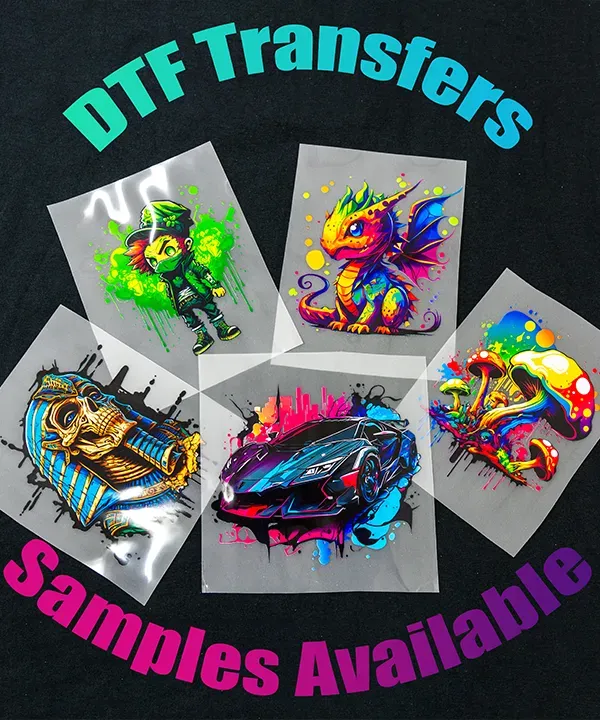
DTF Transfers, or Direct to Film printing, is revolutionizing the world of apparel printing by offering a fresh approach to fabric transfers. This innovative technique allows for bold, vibrant designs to be effortlessly applied to a variety of fabrics, making it a favored choice for custom apparel. As DTF continues to gain traction, understanding its potential can set you apart in this competitive market. With advancements in DTF printing techniques, users can achieve high-resolution graphics with impressive durability and wash resistance. In this guide, we’ll delve into essential methods and insights to help you master the art of DTF Transfers and elevate your setups.
When discussing methods of fabric decoration, many enthusiasts and professionals refer to Direct to Film transfers, a technique that has become synonymous with high-quality apparel printing. Known for its versatility, this innovative printing approach utilizes advanced film application and heat press application strategies to achieve stunning results on various substrates. With DTF printing’s rise in popularity, it harnesses unique fabric transfer methods that cater to intricate and colorful designs. As we explore this topic further, you’ll discover exciting advancements and techniques that form the backbone of this burgeoning printing domain.
What are DTF Transfers?
Direct to Film (DTF) transfers represent a significant innovation in the world of fabric printing. This method stands out due to its ability to produce highly detailed designs that can be applied to a wide range of textiles. The core of DTF printing lies in its multi-step process, where the design is first printed onto a special film using vibrant inks. After that, an adhesive powder is sprinkled over the design, followed by a curing process to ensure the inks bond effectively with the powder. This technique allows for unparalleled detail and color accuracy, making it a popular choice among apparel designers.
DTF transfers are particularly valued for their versatility. Unlike traditional methods like screen printing, which have limitations based on fabric composition and ink types, DTF printing can accommodate a broader range of materials, including cotton, polyester, and blends. This flexibility makes it an attractive option for custom apparel, as designers can create stunning graphics that stand out on various textiles. Understanding the intricacies of DTF transfers is crucial for anyone looking to excel in the realm of fabric decoration.
Essential Techniques for Effective DTF Printing
Successfully executing DTF printing requires a mastery of several techniques. One of the most important is the selection of high-quality inks and films. Using top-grade inks ensures that the colors remain vivid and withstand the test of time when subjected to washes and wears. Additionally, choosing the right DTF film can profoundly affect the final product. Newer film types available on the market offer improved durability and heat resistance, allowing for better overall transfer quality.
Another vital technique involves perfecting the heat application process during transfers. The precision of temperature and pressure settings applied with a heat press is crucial to achieving a successful transfer. Each fabric may respond differently to heat, making it necessary to conduct test transfers on new substrates to find the optimal settings. Consistency in application techniques can prevent common issues like peeling or fading, ensuring that the final results meet high standards of quality.
Troubleshooting DTF Printing Challenges
Even experienced printers can face challenges when working with DTF transfers. Common issues such as ink peeling, fading, or cracking can stem from factors like incorrect temperature settings or insufficient pressure during the heat application. Maintaining meticulous records of your temperature and pressure settings for various materials can serve as a valuable reference for troubleshooting when problems arise. A systematic approach can help practitioners identify and rectify issues promptly.
Moreover, understanding the nuances of different fabric types can also aid in minimizing issues. For instance, synthetic fabrics may require specific treatments or adjustments in the application process to improve adhesion and prevent ink migration. Taking the time to thoroughly test and document outcomes on various substrates can greatly enhance the quality and reliability of your DTF transfers, ensuring a professional finish.
Recent Innovations in DTF Printing Technology
The DTF printing landscape is rapidly changing, with innovative technologies enhancing the capabilities of this method. Recent advancements include eco-friendly inks and improved films designed specifically for DTF processes. These developments not only support sustainability in the printing industry but also cater to the growing demand for quality and efficiency. As more companies enter the DTF market, competition is driving progress, leading to exciting improvements in the technology.
Furthermore, manufacturers are introducing new materials tailored for optimal compatibility with DTF printers, paving the way for more intricate and vibrant designs. Enhanced ink formulations and film types allow for creativity without sacrificing quality or durability. Keeping abreast of these innovations is essential for printers aiming to stand out in a crowded market, giving them the edge needed to produce superior clothing items.
The Importance of Fabric Pre-Treatment in DTF Transfers
Pre-treating fabrics is a critical step in the DTF transfer process, especially when working with synthetic materials that may pose challenges to print adhesion. Proper pre-treatment ensures that designs adhere correctly to the fabric, preventing ink migration and enhancing clarity in the final product. By using specialized pre-treatment solutions, printers can create a smoother surface for ink application, significantly improving the quality of the transfer.
In addition, pre-treatment can help mitigate common printing issues such as fading or cracking over time. It acts as a protective layer, enhancing the longevity of the design once it has been transferred. This step is particularly vital when dealing with high-performance fabrics or garments designed for athletic use, where durability is paramount. By making pre-treatment a standard part of your DTF printing process, you can ensure more reliable and impressive results.
Best Practices for DTF Transfer Success
To achieve stunning results with DTF transfers, adopting best practices is essential. Start by familiarizing yourself with the specific characteristics of the inks and films you are using. Each product has its own instructions regarding temperature, pressure, and time settings. Following these guidelines closely will help you achieve a flawless transfer every time. Running initial tests can also help you fine-tune settings for various fabrics, resulting in optimal prints.
Additionally, maintaining your equipment is a key factor in producing high-quality transfers. Regular cleaning of printers, heat presses, and other tools can prevent issues related to misalignment or contamination, ensuring consistent results. Staying updated on industry trends and innovations can also provide insights into new techniques and materials that could enhance your printing capabilities. Engaging with communities and resources dedicated to DTF printing can foster continuous learning and improvement.
Frequently Asked Questions
What are DTF transfers, and how do they work?
DTF transfers, or Direct to Film transfers, involve printing a design onto a specialized film using DTF inks, followed by applying a powdered adhesive. The design is then cured to ensure strong adhesion when transferred to fabric, making it a popular method for high-quality apparel printing.
What are the main benefits of using DTF printing techniques for apparel?
DTF printing techniques offer several benefits for apparel printing, including vibrant colors, flexibility on various fabrics, and durability after washing. This method enhances the quality of designs while allowing for intricate details, making it suitable for custom garments and promotional items.
How can I troubleshoot common DTF transfer issues?
Common issues in DTF transfers like ink peeling or fading can often be resolved by checking temperature settings, ensuring adequate pressure during heat application, and consulting records of previous successful transfers. Proper pre-treatment of fabrics also aids in achieving better adhesion.
What types of fabrics work best with DTF transfers?
DTF transfers are versatile and can work well on a variety of fabrics, including cotton, polyester, and blends. However, pre-treating synthetic materials may be necessary to prevent issues like ink migration and to ensure the highest quality prints.
How do heat press applications affect DTF transfer quality?
Heat press applications are crucial for DTF transfers, as the correct temperature and pressure settings ensure proper adhesion of the transfer to the fabric. Consistent application techniques help avoid problems like peeling or fading, enhancing the longevity of the print.
What advancements are being made in DTF printing technology?
Recent advancements in DTF printing technology include the use of eco-friendly inks and films, as well as the development of new materials that improve print quality and durability. These innovations help expand the possibilities of DTF transfers in the competitive apparel printing market.
| Key Techniques for DTF Transfers | Description | |
|---|---|---|
| Choosing High-Quality Inks and Films | Select compatible, high-quality DTF inks and films to ensure vibrant colors and long-term durability. | |
| Perfecting the Application Process | Set heat press to correct temperature and pressure, and adjust as needed for each fabric type. | |
| Pre-Treating Fabrics | Use pre-treatment solutions on challenging fabrics to enhance adhesion and clarity of prints. | |
| Troubleshooting Common Issues | Identify and resolve issues like ink peeling or fading by maintaining detailed records of transfer settings. | |
| Innovations and Market Trends | Stay updated with eco-friendly materials and competitive pricing trends in the DTF printing market. | |
Summary
DTF transfers represent a revolutionary approach to achieving high-quality, vibrant prints on a variety of fabrics. This innovative printing method not only enables customization but also enhances the durability of designs, making it increasingly popular in the apparel industry. As technology evolves, with better inks and films being developed, the creative possibilities for DTF transfers expand, allowing for intricate designs while maintaining optimal print quality. Adopting best practices in DTF techniques and staying informed about market advancements will empower printers to achieve remarkable results, ultimately transforming their printing endeavors into stunning artistic expressions.

