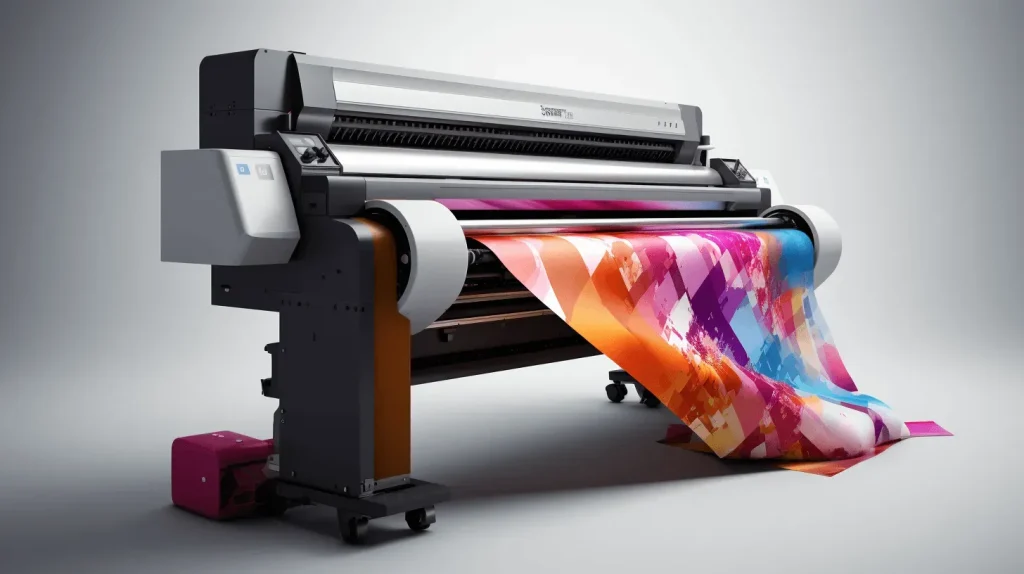
DTF printing, or Direct-to-Film printing, is transforming the landscape of custom apparel printing by offering a revolutionary method for transferring designs onto various fabrics. This cutting-edge technology enables the production of stunning, high-quality visuals on materials such as cotton and polyester, making it a preferred choice for both small businesses and large manufacturers. With the growing popularity of personalized apparel and the demand for on-demand printing, understanding the benefits of DTF printing is essential for anyone looking to stay competitive in the textile industry. The DTF printing process combines precision, vibrancy, and versatility, allowing for a seamless printing experience that is both efficient and cost-effective. Investing in DTF printing equipment can elevate your printing capabilities, providing you with the tools needed to meet the increasing consumer demand for unique and personalized designs.
Direct-to-Film printing, often referred to as DTF technology, represents a significant advancement in the textile printing sector, making it easier to create beautiful custom designs. This innovative approach to printing allows for intricate artwork to be applied to a wide array of fabrics, meeting diverse customer demands in today’s market. The DTF printing method not only enhances the quality of prints but also supports eco-friendly practices with water-based inks and recyclable materials. As businesses look to keep pace with the growing trend of personalization in garments, understanding the DTF printing equipment and process becomes crucial. Embracing this technology can position companies at the forefront of custom apparel printing, offering vibrant and durable designs that resonate with consumers.
Understanding the DTF Printing Process
The Direct-to-Film (DTF) printing process begins with the creation of a digital design, which is then printed onto a specialized film. This film is distinct from other printing substrates due to its coating that allows for precise ink transfer. Once the design is printed, it receives an application of adhesive powder, which is crucial for ensuring that the ink adheres properly to the fabric upon transfer. The use of a heat source activates the adhesive, preparing it for the final transfer stage, where a heat press is employed to deliver durable results.
This multilayered approach is what makes DTF printing unique compared to traditional methods such as screen printing or Direct-to-Garment (DTG) printing. Unlike DTG, which prints directly onto the fabric, DTF involves an intermediate step on film, allowing for more intricate designs without color limitations. This versatility enhances its appeal in the customized apparel market, where consumers demand quality and distinctiveness.
Benefits of DTF Printing for Custom Apparel
Among the myriad benefits of DTF printing, the vibrancy of colors produced stands out. The technology employs a unique combination of water-based inks and advanced printers that yield images with great detail and sharpness. This characteristic makes it exceptionally suitable for custom apparel printing, where designs often include intricate patterns or logos. As a result, businesses can offer high-quality products that resonate well with consumer desires for personalization.
Furthermore, DTF printing’s versatility allows it to be used across a range of fabrics including cotton, polyester, and blends. This adaptability is particularly beneficial for custom apparel brands that cater to varied customer preferences. Whether it’s creating lightweight summer t-shirts or heavier hoodies, DTF printing meets the needs of diverse fabric types, making it a go-to choice in the print-on-demand industry.
The Essential Equipment for DTF Printing
To successfully implement DTF printing in a production environment, investing in the right equipment is crucial. A high-quality DTF printer is the cornerstone of this process, with prices varying based on features and print capabilities. Beyond the printer, additional materials such as specialized film rolls, adhesive powders, and inks must be factored into the setup. These components work in concert to produce the vibrant visuals that DTF printing is known for.
Additionally, companies may also need to invest in heat presses which are essential for transferring designs from the film to fabric. Choosing reliable equipment not only ensures superior quality prints but also enhances the overall efficiency of operations. As technology progresses, more advanced machinery becomes available, allowing businesses to keep up with the increasing demands of the custom apparel market.
Market Trends Influencing DTF Printing Growth
In recent years, the demand for customized products has surged, significantly contributing to the growth of DTF printing. Consumers are increasingly seeking personalized apparel, and DTF printing meets this demand effectively. The rise of e-commerce platforms has made it easier for designers and brands to offer customized options directly to consumers, further driving the need for efficient and versatile printing solutions.
Additionally, the continuous advancements in printing technology are improving the speed and quality of the DTF printing process. Newer models of printers incorporate better ink formulations and streamlined processes that reduce production times, which is essential for businesses aiming to fulfill orders promptly. These trends suggest that DTF printing will continue to be a pivotal part of the custom apparel landscape for the foreseeable future.
Addressing Challenges in DTF Printing
While DTF printing offers numerous advantages, it is not without its challenges. Newcomers may encounter a steep learning curve, especially in mastering the correct application of adhesive powders and heat settings. Effective training and experience are vital to overcoming these hurdles to achieve high-quality results. Failure to manage these aspects correctly can lead to issues such as poor adhesion or fading, which can negatively impact customer satisfaction.
Moreover, production bottlenecks can arise due to the drying time of the adhesive powder. Businesses must optimize their workflow to mitigate delays and ensure timely fulfillment of customer orders. Implementing efficient processes and investing in staff training are essential steps to creating a seamless operation that can handle the full spectrum of DTF printing challenges.
The Future of DTF Printing in the Textile Industry
As the textile industry evolves, DTF printing appears poised for a promising future. Its ability to accommodate on-demand orders and produce high-quality designs aligns well with current market trends that favor customization and rapid production. With the increasing consumer shift towards personalized items, DTF printing offers a competitive edge to businesses willing to embrace this technology.
Looking ahead, continuous innovation within the DTF printing process will likely lead to improvements in print quality, speed, and overall cost-effectiveness. Companies committed to adopting the latest advancements will not only enhance their offerings but also better position themselves in an ever-competitive market. This foresight into the future of DTF printing underscores its role as a valuable tool for any business in the custom apparel space.
Frequently Asked Questions
What is DTF printing and how does it work?
DTF printing, or Direct-to-Film printing, is a process that involves printing a design onto a special film before transferring it onto fabric. The steps include printing the design, applying an adhesive powder, curing the adhesive with heat, and finally using a heat press to transfer the design to garments. This method is notable for its ability to produce vibrant, high-quality prints on various fabrics.
What are the benefits of DTF printing for custom apparel?
The benefits of DTF printing for custom apparel include vibrant colors and intricate details, versatility across multiple fabric types, eco-friendly practices with water-based inks, and cost-effectiveness due to reduced production costs over time. These advantages make DTF printing a popular choice among businesses in the textile industry.
What equipment is necessary for DTF printing?
DTF printing requires specific equipment including a DTF printer, which can range from $3,000 to $10,000, depending on its capabilities. Additionally, businesses need film rolls, adhesive powder, and ink, all of which contribute to ongoing operational costs. Choosing the right equipment is essential for achieving high-quality prints.
Are there any challenges associated with DTF printing?
Yes, challenges in DTF printing include a steep learning curve for newcomers, potential print adhesion issues if the processes are not followed correctly, and production bottlenecks due to the drying time of the adhesive. Understanding these challenges is crucial for optimizing the DTF printing workflow.
How does DTF printing compare to other printing methods?
DTF printing stands out among other printing methods like screen printing and DTG due to its ability to produce high-resolution, vibrant designs on a wide variety of fabrics. It generally offers more flexibility in terms of material compatibility and smaller batch production compared to traditional methods, making it ideal for custom apparel.
What trends are shaping the future of DTF printing in custom apparel?
Trends shaping the future of DTF printing include an increasing demand for customization among consumers, driven by e-commerce and social media, and continuous technological advancements that improve print quality and speed. These trends highlight the growing relevance and market potential of DTF printing in the apparel industry.
| Key Point | Details |
|---|---|
| What is DTF Printing? | A method that prints designs onto a special film, applies adhesive, and transfers the design to fabric using heat. |
| Benefits of DTF Printing | 1. Vibrant colors and detail. 2. Versatility across fabrics. 3. Eco-friendly practices. 4. Cost-effectiveness. |
| Equipment Costs | Initial investment ranges from $3,000 to $10,000, plus ongoing costs for supplies like film rolls and ink. |
| Market Trends | Growing demand for customization and technological advancements enhancing DTF printing processes. |
| Challenges | 1. Learning curve for new users. 2. Issues with print adhesion if not executed properly. 3. Potential production bottlenecks due to drying time. |
Summary
DTF printing is a groundbreaking method in the textile industry, providing exceptional quality and efficiency in fabric printing. This innovative technology enables vibrant and durable prints across a variety of materials, addressing the growing trends of customization and eco-friendliness. As more businesses recognize the advantages of DTF printing, including its cost-effectiveness and versatility, it is poised to become a dominant force in custom apparel production.